https://finet52.com/the-ultimate-guide-to-japanese-seafood-from-premium-sashimi-to-iconic-street-food-skewers/
In the dazzling starry sky of Japanese cuisine, sashimi is undoubtedly the most dazzling star, conquering the taste buds of diners worldwide with its unique charm. Today, let’s step into the wonderful world of sashimi together and explore its delicious secrets and cultural connotations.
Sashime: The Art of Putting Food First
Sashimi is one of the most demanding foods in terms of ingredient quality. Freshness is the soul of sashimi. High quality sashimi ingredients must be sourced from fresh sea fish that have just been caught or fresh shellfish that have landed in the morning. Taking tuna as an example, for top-level bluefin tuna, the shorter the time from catching water to serving on the table, the better. After fishing, it is quickly subjected to ultra-low temperature treatment to preserve the freshness, tenderness, taste, and rich nutrition of the fish meat to the greatest extent possible.
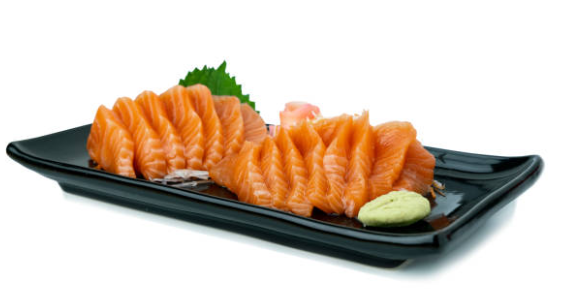
Salmon is also highly favored by sashimi enthusiasts. Fresh salmon with a tempting orange red color and clear texture, resembling a beautiful natural painting. Gently pressing, the fish meat is elastic and can quickly rebound, which is a powerful proof of freshness. Sweet shrimp, Arctic shellfish, and other shellfish are essential delicacies in sashimi dishes due to their compact flesh and sweet taste when fresh.
Craftsmanship: Minimalist yet ultimate
The production process of sashimi may seem simple, but it actually contains the exquisite skills of craftsmen and their reverence for food. Firstly, the choice of cutting tools is crucial. The sharp edge of the sashimi blade is incredibly sharp, and the blade is thin and long, allowing for precise cutting of fish meat while minimizing damage to its fibers.
During the cutting process, the masters were fully focused and skilled in
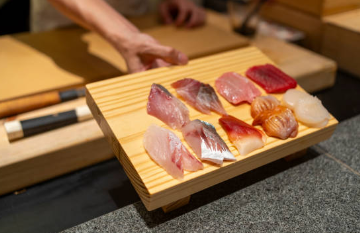
their techniques. When cutting salmon, it is usually cut into thin slices with a uniform thickness of about 0.5 centimeters each, which can ensure the freshness and tenderness of the mouth, and allow diners to fully appreciate the beauty of the texture of the fish meat. For tight bodied fish such as tuna, different cutting methods are used according to the different parts. The belly of tuna, which is rich in oil, can be cut into slightly thicker pieces to highlight its rich and mellow taste; The middle abdomen and naked area are relatively thin, sliced thinly, and have a refreshing taste.
The arrangement of the cut sashimi is also quite particular. Usually, different types of sashimi are arranged in a delicate dish in a staggered manner, paired with green perilla leaves, golden lemon slices, pink ginger slices, etc., colorful and like a work of art, it can also play a role in removing fishy smell and enhancing flavor.
Pairing and Eating: Harmonious Symphony of Taste
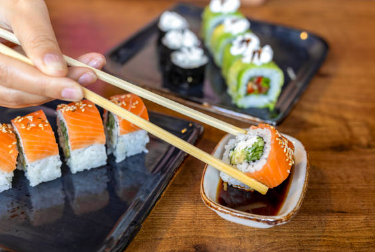
Eating sashimi, pairing is crucial. The classic pairing is sashimi with soy sauce and mustard. The rich and savory aroma of soy sauce and the spicy stimulation of mustard blend with the deliciousness of sashimi, creating a wonderful taste spark. Gently dip the sashimi in an appropriate amount of soy sauce, garnish with a little mustard, and put it in your mouth. The first thing you feel is the freshness, tenderness, and smoothness of the sashimi. Then, the salty aroma of the soy sauce and the spiciness of the mustard gradually dissipate, stimulating your taste buds. Finally, the fresh and sweet aftertaste of the fish is left behind.
In addition to soy sauce and mustard, lemon juice is also a good pairing choice. Squeeze a few drops of lemon juice onto the sashimi, and the fresh fruit aroma of lemon can instantly enhance the freshness and beauty of the sashimi, making the taste more refreshing and pleasant.
Cultural connotation: the fusion of nature and craftsmanship
Sashimi is not only a delicacy, but also a vivid embodiment of Japanese culture. The respect for ingredients it embodies reflects the concept of harmonious coexistence between the Japanese nation and nature. In Japan, people worship nature and believe that the authentic taste of ingredients is a gift from nature, and sashimi is the best way to showcase this authenticity.
In the process of making sashimi, the master’s attitude of striving for excellence reflects the craftsmanship spirit of Japan. Every cut and every plate placement embodies the years of experience and hard work of the masters. This ultimate pursuit of details and the inheritance and adherence to traditional skills are the essence of Japanese culture.
Next time you taste sashimi, why not slow down and savor the freshness of the ingredients, the craftsmanship of the artisans, and the profound cultural heritage behind this delicious taste. I believe you will have a deeper understanding and love for Japanese cuisine sashimi.
https://finet52.com/the-ultimate-guide-to-japanese-seafood-from-premium-sashimi-to-iconic-street-food-skewers/
Related Posts

Introduction to Japanese plum wine
This article has been updated and moved. Click here to…
Health Benefits of Japanese Potato Salad: Why It’s the Ideal Side Dish
This article has been updated and moved. Click here to…
The Secrets of Wagyu Cuisine: Fat Texture and the Ultimate Taste Experience
This article has been updated and moved. Click here to…