https://finet52.com/the-ultimate-guide-to-wagyu-beef-fat-texture-grading-and-culinary-mastery/
Wagyu, a premium beef known as “meat art,” is renowned worldwide for its unique marbled fat and melt-in-your-mouth texture. An A5-grade Wagyu ribeye steak boasts an intramuscular fat content of 8-12%, with a melting point below human body temperature. This is the scientific basis for its melt-in-your-mouth texture. The texture of Wagyu beef is not only a visual aesthetic, but also a scientific guarantee of flavor and tenderness. Each piece embodies the ingenuity of the breeder and the culinary artistry of the chef.
With the cross-border exchange of culinary culture, Wagyu beef has been continuously reinterpreted in top restaurants around the world. If you are also interested in top beef dishes from other regions, you can read more flavor food guides to learn more about the exploration and innovation of exotic cuisine. In this article, we will reveal the secrets of Wagyu beef cuisine , analyze its fat texture and ultimate taste experience,
Wagyu Fat Texture: More Than Just a Look
Wagyu beef’s marbling (intramuscular fat) is a key characteristic that distinguishes it from regular beef. The intramuscular fat isn’t simply accumulated but intricately interwoven with the muscle fibers. According to the Japanese Ministry of Agriculture, Forestry, and Fisheries’ grading system, A5-grade Wagyu beef must meet a BMS (Beef Marbling Standard) rating of 9-12, with a creamy, evenly distributed fat.
Intramuscular fat directly determines the texture. Research shows that Grade A Wagyu beef has muscle fibers less than 40 microns in diameter and a collagen content below 1.2%. It reaches optimal tenderness at a cooking temperature of 58-62°C, with a shear force of less than 4.5 kg for the fillet, achieving a texture that “breaks with the touch of a knife and fork.” Fat has a melting point below human body temperature (25-35°C), melting rapidly in the mouth, releasing rich flavor compounds and creating Wagyu’s unique “melt-in-your-mouth” experience.
How fat creates the ultimate experience
Fat is the core carrier of Wagyu beef flavor. Gas chromatography analysis shows that the total amount of flavor substances in Grade A Wagyu beef is three times that of ordinary beef, including 23 aromatic hydrocarbon compounds and 17 fatty acid derivatives, which create a unique flavor profile.
Lipid oxidation is a key pathway in flavor formation. During heating, unsaturated fatty acids in Wagyu beef oxidize to produce volatile compounds such as aldehydes, ketones, and alcohols, which impart the meat’s distinctive aroma. A 2025 multi-omics study revealed that grain-fed beef (including Wagyu beef) is rich in triglycerides and free fatty acids containing C14:1, C16:1, C18:1, C18:2, C20:3, and C20:4 fatty acids, which are key precursors to the difference between “fatty” and “grassy” aromas.
Furthermore, the Maillard reaction and fat work synergistically to amplify flavor. Fat oxidation products react with amino acids and sugars to form complex volatile compounds, lowering the odor threshold and enriching the flavor of Wagyu beef.
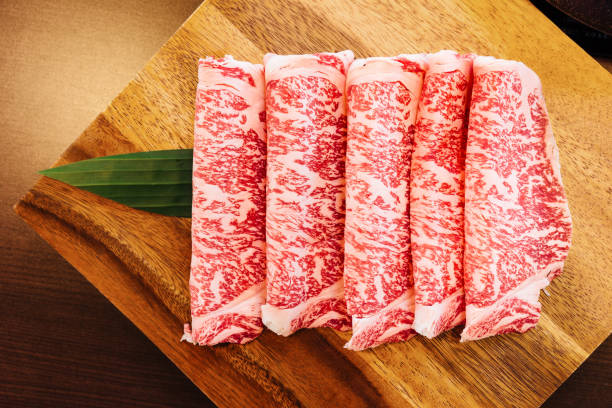
Rating System Analysis: Differences from A1 to A5
Japanese Wagyu beef uses a composite grading system: the meat yield (AC grade) and meat quality grade (grades 1-5) are combined into a 15-grade matrix.
The scientific standard of A5 Wagyu beef
Fat distribution : BMS rating 9-12, evenly distributed in a snowflake shape
Meat quality and color : Firmness ≥ level 3, bright meat color
Fat quality : creamy color, fine texture, low melting point
Research has shown significant differences in flavor compounds between A5 and A1 beef. A5 beef contains key compounds such as decanal, hexanal, nonanal, and heptanol, resulting in a richer flavor. Gene expression studies have revealed higher expression of genes associated with brown fat synthesis and lipid droplet composition (such as LEP, FABP4, and ADIG), explaining its rich intramuscular fat formation.
Culinary Art: Tips for Unleashing Wagyu’s Potential
The Science of Temperature Control
Precise temperature control is the core of Wagyu cooking. An infrared thermometer maintains a core temperature of 58-62°C for maximum tenderness and flavor. This temperature range allows the intramuscular fat to melt without loss, allowing the protein to denature appropriately and maintaining juiciness.
Cooking method comparison
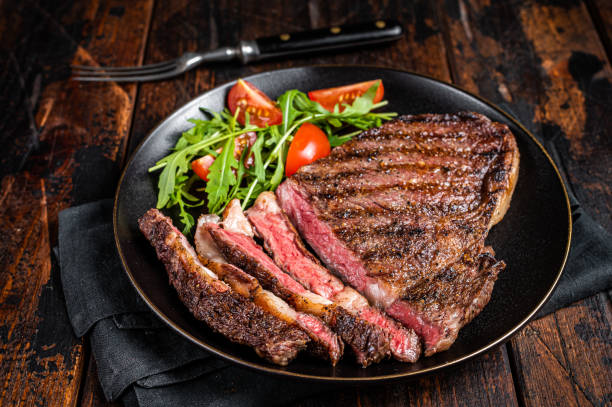
Grilling : Grill a 2.5cm thick steak on one side for 75 seconds to lock in the juices.
Low temperature slow cooking : 72 hours in a 60℃ water bath, the muscle fibers are completely softened
Sous-vide cooking : evenly melts fat to avoid overcooking
Cutting and preparation
Cut at a 45° angle along the muscle texture, each piece is 0.3 cm thick, which can optimize the visual effect of the snowflake texture and the eating experience.
Safe consumption guidelines
Risks and regulations of raw food
Eating raw beef carries a risk of microbial contamination. Matsumoto City standards require that raw beef be negative for enterobacteriaceae and be processed in dedicated facilities.
Cooking Tips
Minced meat and hamburger patties must be thoroughly heated to a core temperature of ≥75°C. Young children, pregnant women, and people with weakened immune systems should avoid eating raw meat.
FAQs
Is a richer texture better?
Not necessarily. A higher texture indicates a higher rating, but individual tastes vary greatly; some prefer the more balanced A3 or A4 grades.
Need a complex seasoning?
Premium Wagyu beef can be enhanced with just a pinch of sea salt and black pepper; heavy sauces can mask its delicate aromas.
How to identify A5 Wagyu?
Look for JAS certification, marbling, creamy fat, and the official seal.
Is it suitable for all cooking methods?
High-fat Wagyu beef is best grilled, seared, or slow-cooked at low temperatures. It can be stewed to remove the fat.
What is the difference between grain-fed and grass-fed?
Grain-fed beef is rich in fat and has a mild flavor, while grass-fed beef is leaner and has a distinct grassy aroma.
Conclusion: An experience beyond taste
Wagyu beef is more than just delicious; it represents a perfect fusion of biology, culinary science, and culinary culture. Every bite reveals the scientific principles of gene regulation, fat deposition, and cooking reactions. Understanding these principles enhances both the tasting experience and culinary judgment. Whether pursuing the ultimate A5 experience or appreciating the beauty of A3 balance, knowledge enriches the culinary journey.
https://finet52.com/the-ultimate-guide-to-wagyu-beef-fat-texture-grading-and-culinary-mastery/
Related Posts
The Ramen Showdown: Tonkotsu, Shoyu, Miso—Which One is Your One Pick?
This article has been updated and moved. Click here to…
Why can Japanese raw eggs be eaten raw?
This article has been updated and moved. Click here to…
Health Benefits of Japanese Potato Salad: Why It’s the Ideal Side Dish
This article has been updated and moved. Click here to…