https://finet52.com/the-essence-of-japanese-culinary-art-sukiyaki-and-tempura/
Tempura: The Art of Fried Food in Japanese Cuisine
In the dazzling starry sky of Japanese cuisine, tempura is like a unique pearl, attracting the attention of global food enthusiasts with its exquisite craftsmanship and unique flavor. It is not just a simple fried dish, but also a vivid embodiment of Japanese food culture.
The production process of tempura
The production process of tempura can be considered an art form. The first is the preparation of batter, which is one of the key factors determining the texture of a heavenly woman’s mouth. Traditional tempura batter is made by mixing low gluten flour, eggs, and water, and the ratio of the three is very particular. Flour should be gently stirred to avoid excessive mixing and the formation of gluten, in order to ensure the lightweight texture of the batter. The prepared batter presents a thin and slightly flowing state, like delicate silk.
Next is the selection and processing of ingredients. Tempura has a wide variety of ingredients, including various seafood, vegetables, and more. Among seafood, shrimp is the most classic choice. Fresh shrimp needs to be shelled and cut a few times on the back to pick out the shrimp line. This way, the shrimp can maintain its curved and beautiful shape during frying, and it is also easier to cook through. In terms of vegetables, eggplants, pumpkins, sweet potatoes, green peppers, etc. are common ingredients. Vegetables should be cut into even slices or strips to ensure even heating during frying. The processed ingredients should be quickly coated with batter, which requires skilled techniques. The batter should be evenly spread on the surface of the ingredients, with a moderate thickness. It should not be too thick to cause a greasy taste, nor too thin to cause the ingredients to be burnt.
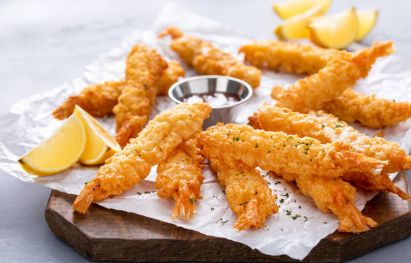
The frying process is the essence of tempura production. Tempura uses low-temperature frying method, and the oil temperature is generally controlled between 160 ℃ and 180 ℃. This low temperature allows the ingredients to slowly ripen during the frying process, while maintaining the internal moisture and freshness, forming a thin and crispy outer shell. When frying, the ingredients wrapped in batter should be put into the oil pot one by one to avoid them sticking to each other. The frying time depends on the type and size of the ingredients, for example, shrimp takes about 3-4 minutes to fry, while vegetables are relatively short, taking 1-2 minutes. During the frying process, the chef should constantly observe the color changes of the ingredients. When the surface of the pork belly presents a tempting golden color, it can be removed to control the oil.
Rich selection of ingredients
The reason why tempura is so charming is largely due to its rich and diverse selection of ingredients. Seafood ingredients add a delicious flavor to tempura. In addition to classic shrimp, there are also squid, scallops, oysters, and so on. Cut the squid into flower knives, fry it and curl it into a unique shape, with a crisp and refreshing taste; Scallop meat is fresh and tender, and after frying, the outer shell is crispy, while the internal scallop meat still maintains its original freshness, tenderness, and juiciness; After frying oysters, their delicious juice is firmly locked in the crispy shell, and with one bite, the delicious taste instantly spreads in the mouth.
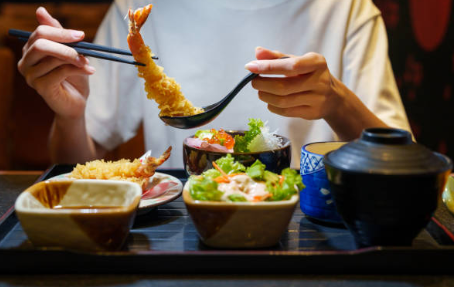
Vegetables, as another major ingredient category of tempura, exhibit a fresh and natural taste. Eggplant becomes soft and sticky after frying, with a faint sweet taste; Pumpkin fried has a golden color and a sweet and fragrant taste; After frying sweet potatoes, the outer skin is crispy and the inside is soft, sticky, and sweet; After frying, green peppers still retain a certain degree of crispness, adding a refreshing touch to tempura. In addition, vegetables such as shiitake mushrooms, lotus roots, broccoli, etc. are often used to make tempura, and each vegetable exhibits a unique flavor during the frying process.
The Cultural Connotation of Tempura
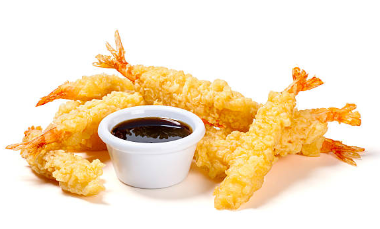
Tempura has a profound cultural connotation in Japan. It reflects the Japanese people’s respect and pursuit of the authentic taste of ingredients. By using simple frying techniques, we aim to preserve the original flavor of the ingredients to the fullest extent possible, allowing people to taste the purest and most delicious taste of the ingredients. In traditional Japanese cuisine, food should not only be delicious, but also pay attention to the seasonality and freshness of ingredients. Most of the ingredients used in tempura are adjusted according to seasonal changes, such as fresh bamboo shoots in spring, eggplants in summer, sweet potatoes in autumn, and radishes in winter, all of which become the protagonists of tempura in different seasons. This also reflects the Japanese philosophy of following nature and living in harmony with it.
At the same time, the production and consumption process of tempura also contains etiquette culture. In high-end Japanese restaurants, when chefs make tempura on site, every move is precise and elegant, not only to showcase their superb cooking skills, but also to show respect to their customers. And diners also have certain etiquette standards when tasting tempura. Usually, tempura is first dipped in a special sauce, which is usually made by mixing soy sauce, seasoning, and juicing. The sauce is delicious and can further enhance the flavor of tempura. When dipping in sauce, just gently dip to avoid too much sauce affecting the taste of tempura. Then, put the tempura in your mouth and savor its crispy outer skin and tender interior, feeling the wonderful taste brought by the perfect combination of ingredients and frying techniques.
Tempura, the art of frying in Japanese cuisine, has become an outstanding representative of Japanese culinary culture with its exquisite production techniques, rich selection of ingredients, and profound cultural connotations. Whether in traditional Japanese restaurants or in Japanese restaurants around the world, tempura exudes a unique charm, allowing people to appreciate the unique charm of Japanese culture while tasting delicious food.
https://finet52.com/the-essence-of-japanese-culinary-art-sukiyaki-and-tempura/
Related Posts
The Art of Fermentation: A Cross-Cultural Taste Journey from Miso and Kimchi to Cheese
This article has been updated and moved. Click here to…
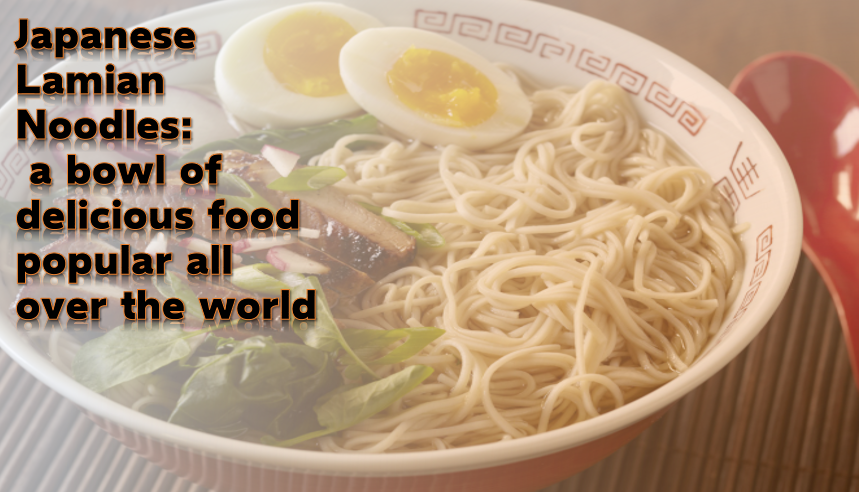
Japanese Ramen Noodles: a bowl of delicious food popular all over the world
This article has been updated and moved. Click here to…
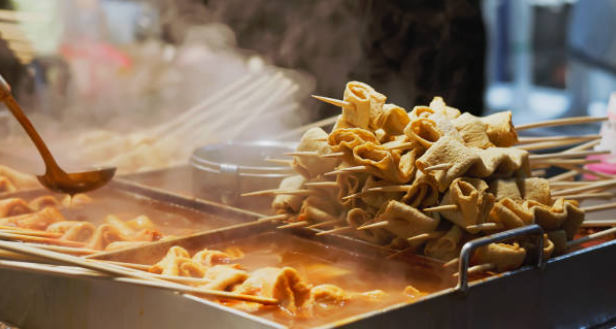
Oden Story:A Warm Symbol of Japanese Food Culture
This article has been updated and moved. Click here to…