https://finet52.com/the-ultimate-guide-to-kimchi-fermentation-hacks-diverse-korean-types/
Hey folks, let’s talk about the tangy, spicy, utterly addictive world of kimchi. If you’ve ever obsessed over that perfect jar of fermented goodness, buckle up—we’re diving into how to craft Kimchi at home. Spoiler: it’s equal parts science, patience, and so much flavor.
The Kimchi Making Vibe: Hygiene & Prep
First off, Napa cabbage is our hero. Hunt for those heavy, compact heads—they’re worth the effort. Summer cabbage? Softer, ferments in a flash. Winter cabbage? Firmer, needing a little extra time. And hygiene? Non-negotiable. Wash hands, tools, surfaces—we’re keeping bad bacteria far, far away.
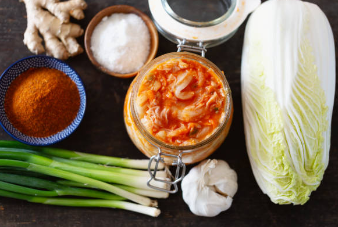
Step 1: Prep That Cabbage
Rinse, chop into quarters, ditch the core. Now, chop those quarters into 2-inch pieces. Next up: salting. Mix non-iodized coarse salt (baked or sea salt, trust me) with water for a quick dip. Then, massage 1 cup of salt into the cabbage. Let it sit covered for 3–6 hours. Pro tip: longer = saltier. Rinse 3–4 times after—we want balance, not a salt overload. Drain for 30+ minutes.
Step 2: Seasoning Magic
Boil sweet rice flour with water for a paste. Blend garlic and ginger (or mince finely). Mix into the cooled paste, then add kimchi-specific Korean red pepper powder. Now, prep radish, green onions (and pear, if you’re feeling extra). Julienne everything—think tiny, tasty matchsticks. Mix it all into a spicy veggie paste. Add fish sauce if you’re craving that umami kick. Taste, adjust salt—we’re crafting perfection.
Step 3: Combine & Ferment
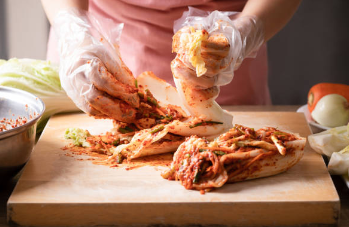
Rub that paste into the cabbage like you’re giving it a flavor hug. Pack it tight in a non-metal container (glass or plastic, no cracks!). Leave space—fermentation creates CO2 bubbles. Seal it: jars “finger-tip tight,” bags with air squeezed out. Now, ferment:
Fridge method: Slow ferment over 3–4 days (great for hot weather).
Room temp: 1–2 days at 68°F. Taste daily until it’s tangy perfection.
The Science Behind the Magic
Kimchi’s not just food—it’s a microbial party. Weissella, Lactobacillus, and friends munch on veggie sugars, producing lactic acid. This drops the pH to 4.2, making it safe and delicious. Traditional kimchi? Over 300 microbes. Wild, right? It’s anaerobic fermentation—no air, just good bacteria doing their thing.
Kimchi: More Than Food
Let’s chat culture. Kimchi’s 4,000+ years old, stored in underground pots to survive Korean winters. Now? A UNESCO heritage gem, celebrated at festivals like Kimjang. It’s not just a side dish; it’s history, pride, a link between generations.
So there you have it, folks. Making kimchi? It’s art, science, and a whole lot of love. Yeah, it’s a process, but that first bite of homemade kimchi? Pure magic. Now go grab those ingredients, embrace the mess, and let those microbes work their wonders. Your taste buds (and Instagram feed) will thank you.
https://finet52.com/the-ultimate-guide-to-kimchi-fermentation-hacks-diverse-korean-types/
Related Posts

There are various ways to eat Korean fried chicken, but there is always one that you can’t stop eating
This article has been updated and moved. Click here to…
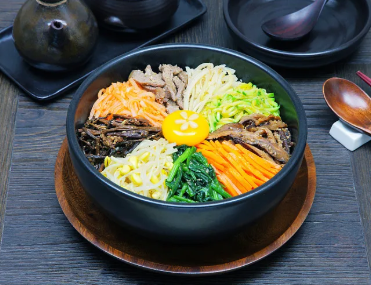
Why Is Bibimbap the Signature Dish of Korean Cuisine? Let’s Find Out!
This article has been updated and moved. Click here to…