https://finet52.com/the-ultimate-guide-to-japanese-gastronomy-mastering-umeshu-and-dorayaki/
Overview of Ume Wine
Friends, umeboshi is called ‘umeboshi’ in Japanese and ‘Umeshu’ in English, and it is a unique Japanese liqueur. The recipe is quite simple: just soak unripe plums in shochu (焼酎, shōchū) and sugar. The sake is sweet and sour, and with an alcohol content of 10% to 15%, it’s not too strong, so it’s easy on the palate. Brands such as Choya, Takara Shuzo, and Matsuyuki are famous for their plum wine. Some bottles of umeboshi are so tempting that you can see the whole plum in the bottle. And many people like to make their own plum wine at home, which is a great feeling.
Drinking Style
In Japanese restaurants, there are many ways to drink plum wine. There are several common ways to drink plum wine: Umeshu on the Rocks (pronounced umeshu rokku) with ice; Umeshu Sour (pronounced umeshu sawa); Umeshu Tonic (pronounced umeshu sawa); Umeshu Soda (pronounced umeshu sawa); Umeshu Soda (pronounced umeshu sawa); Umeshu Soda (pronounced umeshu sawa); and Umeshu Soda (pronounced umeshu sawa), sometimes with green tea (pronounced umeshu sawa). Sometimes people also mix plum wine with green tea (o-cha-wari) or warm water (o-yu-wari). In summer, you can refrigerate the plum wine and add ice to make it refreshing; in normal times, you can drink it at room temperature to enjoy its flavour; in winter, you can heat it up and drink it to warm up your body.
Raw Materials and Types
Plum wine is mainly made with plums, sugar and soju. However, some merchants use additives and spices to imitate the flavour of plums in order to reduce costs. However, the most sophisticated type of plum wine is called Honkaku Umeshu, which uses only plums, sugar, and alcohol, but nothing else, and has a particularly pure flavour.
Homemade Plum Wine
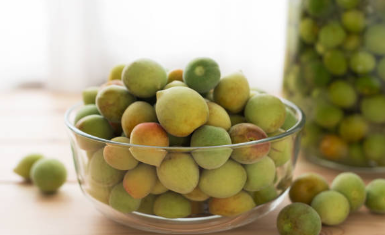
1.Main Ingredients
Ume fruits: Choose the kind of fresh, firm ume plums that produce fragrant wine.
Rock sugar (rock sugar): rock sugar can make plum wine sweeter, better taste.
Shōchū (焼酒): choosing a good shōchū has a big impact on the quality of plum wine.
2.Traditional recipe
Plums 1kg: This amount produces a wine with a strong plum flavour.
500g – 1kg rock sugar (cubed/cube sugar): add more sugar if you like it sweeter, or less if you want to emphasise the sourness of the plums.
Shochu 1.8 litres: This amount of shochu will bring out the flavour of the plums.
3.Steps
Put all these ingredients into a non-metallic airtight container and find a cool place to put it. It will be ready to drink after three months, but it will taste better if you wait a few more months, up to six months. In fact, it’s best to age plum wine for nine months or more, when the flavour is at its best.
Origin and Development
Plums, the main ingredient of plum wine, were first grown in the south of mainland China and were introduced to Japan in the 6th century. In both China and Japan, ume plums were used for cooking, such as making sauces, juices, pickles and so on. In the 17th century, plum wine became popular in Japan. It’s called sweet wine, but it’s not just sweet, it’s a mixture of sweet and sour, with an alcohol content of up to 12%, and a particularly fruity aroma that makes you crave it. In addition to the brands mentioned above, Gekkeikan is also famous for its plum wine, which is loved by many people.
https://finet52.com/the-ultimate-guide-to-japanese-gastronomy-mastering-umeshu-and-dorayaki/
Related Posts

Onsen Tamago: The Silky Delicacy in Japanese Cuisine
This article has been updated and moved. Click here to…

Oden Story:A Warm Symbol of Japanese Food Culture
This article has been updated and moved. Click here to…
Tempura: The Art of Fried Food in Japanese Cuisine
This article has been updated and moved. Click here to…