https://finet52.com/the-ultimate-guide-to-korean-soul-food-mastering-budae-jjigae-and-bibimbap/
Bibimbap is undoubtedly one of the brightest stars in the galaxy of Korean cuisine! Not only has it won over food lovers worldwide with its incredible flavors, but it also carries a deep historical and cultural significance. Today, let’s explore why bibimbap has become a true symbol of Korean food!
1. A Taste of History: From Tradition to Modern Innovation
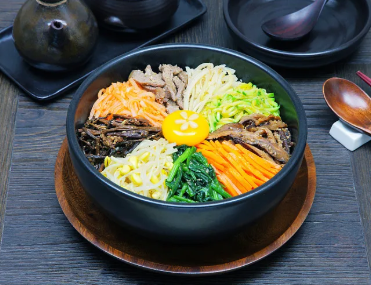
The origins of bibimbap can be traced back to the Joseon Dynasty, when people had the habit of mixing various ingredients with rice. In Jeonju, a city famous for its bibimbap, the dish has long been a local specialty. Over time, bibimbap has evolved, incorporating new and innovative elements, making its flavors even richer.
Different regions in Korea have their own unique takes on bibimbap. For example, Jeonju bibimbap often includes braised chicken or beef broth, while Jinju bibimbap features seafood broth and meat soup. These variations not only make bibimbap a national culinary treasure but also showcase the diverse regional food cultures of Korea.
2. The Five Elements Theory: A Healthy and Culturally Rich Dish

Bibimbap is not just delicious—it is also deeply rooted in a fascinating health philosophy known as the “Five Elements, Five Organs, Five Colors” theory. This concept suggests that different food colors are linked to different organs in our body.
- Green vegetables (e.g., spinach, celery) benefit the liver.
- Red foods (e.g., beef, chili peppers) are good for the heart.
- Yellow foods (e.g., egg yolk) support the spleen.
- White foods (e.g., radish, bean sprouts) aid the lungs.
- Dark-colored foods (e.g., seaweed, mushrooms) nourish the kidneys.
By enjoying a bowl of bibimbap, you’re not only satisfying your taste buds but also promoting a balanced and healthy diet!
3. The Art of Cooking: The Irresistible Crunch of Nurungji (Crispy Rice)
The preparation of bibimbap requires careful technique. Imagine hearing the sizzling sound as the rice crisps up at the bottom of the hot stone bowl—the aroma alone is enough to make your mouth water!
To make bibimbap, the stone bowl is first heated, then filled with rice, assorted vegetables, and a raw egg. Finally, it is topped with spicy gochujang sauce and mixed together until the bottom layer of rice forms a crispy, golden crust. This crispy rice, known as nurungji, is a highlight of the dish, providing a delightful contrast to the soft, tender rice above.
Maintaining the stone bowl is also an art—proper soaking and oiling are essential to ensure that each serving of bibimbap achieves the perfect balance of crispness and flavor.
4. A Nutritious Powerhouse: The Perfect Balance of Taste and Health
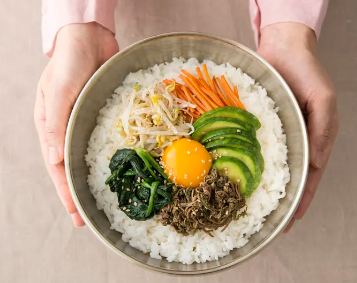
Bibimbap is not only a feast for the senses but also a nutritionally balanced meal! It contains rice, protein (meat and eggs), and an array of vegetables, making it a well-rounded dish.
- Spinach is rich in vitamins A and C, as well as iron.
- Carrots provide beta-carotene, essential for eye health.
- Meat offers high-quality protein and healthy fats.
- Eggs are a powerhouse of protein and essential minerals.
With its moderate calorie count and high vegetable content, bibimbap aligns perfectly with the growing trend of health-conscious eating.
With its long history, rich cultural heritage, meticulous preparation, and outstanding nutritional value, bibimbap is more than just a Korean dish—it’s a symbol of the country’s culinary tradition. The next time you see bibimbap on a restaurant menu, don’t hesitate—order a bowl and experience the delicious culture behind it! You can even try making it at home and share this Korean delight with friends and family.
https://finet52.com/the-ultimate-guide-to-korean-soul-food-mastering-budae-jjigae-and-bibimbap/
Related Posts

Introduction to Japanese plum wine
This article has been updated and moved. Click here to…
Enjoy Japanese Rice and vegetable roll stuffing, and see what’s your favorite match
This article has been updated and moved. Click here to…
Tempura: The Art of Fried Food in Japanese Cuisine
This article has been updated and moved. Click here to…