https://finet52.com/the-ultimate-guide-to-wagyu-beef-fat-texture-grading-and-culinary-mastery/
During Japan’s Meiji Restoration, Western culture swept into the country like a tidal wave. A young chef named Sato worked at a Western-style restaurant in Yokohama. At the time, the cooking techniques and flavors of Western-style steaks fascinated Japanese diners. Sato realized that if Japan’s domestic beef was to shine amid this wave of Western cuisine, it needed a unique approach.
Sato heard that in the Tajima region, there was a breed of black cattle that roamed freely in the mountains, drinking mineral-rich spring water. Determined to explore, he traveled to Tajima and carefully selected a few robust calves to bring back to his kitchen. He meticulously researched feeding methods, crafting a diet for the cattle that included local barley, fresh grass, and a small amount of grains. Each day, he spent time brushing and massaging the cattle and even experimented with feeding them low-alcohol beer in an effort to enhance the texture of their meat.
After a long wait, the first batch of well-fed Wagyu cattle was ready. Sato personally prepared the beef, and the moment the beautifully marbled meat melted in diners’ mouths, they were captivated by its rich, juicy, and tender texture. Word spread quickly, and Japanese Wagyu embarked on its legendary journey in the culinary world. From obscurity to becoming one of the most coveted delicacies among global food lovers, every slice of Wagyu tells a story of dedication, from farm to table. Today, let’s delve into the fascinating world of Japanese Wagyu.
The Birth of a Premium Delicacy: What Makes Wagyu Special?

Wagyu, Japan’s premier beef breed, is renowned worldwide for its exquisite marbling—delicate, snowflake-like fat interspersed throughout the muscle fibers. This stunning marbling is no coincidence but the result of meticulous breeding and specialized feeding techniques.
Raising Wagyu is an art form in itself, beginning with the careful selection of farm locations. The cowsheds are typically oriented slightly southeast (about 10 degrees off due south) to allow the morning sun to fully illuminate the space, keeping the barn dry and shielding it from the harsh northern winds in winter. The roof design features a sloped structure with a higher southern eave (4.5–6.5 meters) and a lower northern eave (2.5–2.8 meters) to create a comfortable environment for the cattle.
Wagyu cattle are fed a carefully curated diet consisting mainly of barley and natural grasses, supplemented with high-quality grains. To stimulate their appetite, farmers often provide them with beer containing 4–5% alcohol. Additionally, daily massages with hay or brushes, and even the application of shochu (a Japanese distilled liquor) to their coats, help improve blood circulation and ensure even fat distribution. This meticulous care results in Wagyu’s signature melt-in-the-mouth texture and rich, yet not overwhelming, umami flavor.
Understanding Wagyu Grading: What Determines Quality?
Japanese Wagyu is graded on a scale from A5 to A1, with A3 and above showcasing the distinct marbling characteristic of high-quality Wagyu. A5 is the ultimate tier, the pinnacle of Wagyu excellence. The grading process is stringent, assessing marbling, meat color, texture, and fat quality. Each piece of beef is evaluated by two inspectors, and only if their assessments align can it proceed to the next grading stage. The final grade is determined by the lowest-rated factor—meaning even if the marbling is A5 level, but the meat color scores an A2, the beef will be rated A2. This strict system ensures that every cut of Wagyu meets its advertised quality, making A5 Wagyu a true luxury in the culinary world.

Different Ways to Enjoy Wagyu
Sashimi: The Ultimate in Tenderness
A5 Wagyu is the top choice for sashimi. Its marbling is so fine and evenly distributed that it dissolves like snowflakes on the tongue, delivering an unparalleled velvety texture. In contrast, A3 Wagyu, with less uniform fat distribution, tends to be drier and less tender when eaten raw.
Charcoal Grilled: The Perfect Balance of Aroma and Flavor
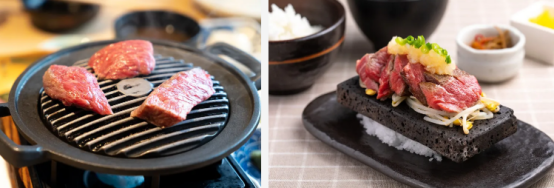
A4 and A3 Wagyu are ideal for charcoal grilling. As the beef meets the scorching-hot grill, the fat melts instantly, releasing a rich, irresistible aroma. The slightly charred exterior locks in the juiciness, allowing diners to enjoy Wagyu in its purest form with just a pinch of salt to highlight its natural flavors.
Sushi: A Unique Wagyu Experience
For sushi, A3 Wagyu strikes the perfect balance between fat and lean meat, complementing the rice, seaweed, and other ingredients without overpowering them. Each bite delivers a harmonious blend of flavors and textures, making Wagyu sushi a must-try culinary delight.
Hot Pot: A Warm and Indulgent Feast
In hot pot dishes, A3 Wagyu shines. As the thin slices cook in the bubbling broth, they absorb the savory flavors of the soup while retaining their tender, juicy essence. The result is a heartwarming and satisfying dining experience.
Famous Wagyu Breeds and Their Unique Characteristics
Tajima Beef: The Origin of Wagyu
Among Japan’s black cattle breeds, Tajima beef from northern Hyogo Prefecture is particularly esteemed. The region’s pristine natural environment provides cattle with mineral-rich water and nutrient-packed grasses. Before the Edo period, Tajima cattle were primarily used as work animals due to their strong genetics. Though crossbreeding efforts in the Meiji era faced challenges, the establishment of a pedigree registry ultimately preserved the breed’s purity. Tajima cattle serve as the genetic foundation for other prestigious Wagyu varieties, such as Matsusaka and Kobe beef.
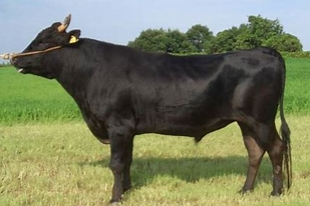
Matsusaka Beef: A Refined Culinary Masterpiece
Matsusaka beef is not a specific breed but rather a designation for premium-quality beef raised under strict conditions. Young Tajima calves are transported to designated areas in Mie Prefecture, where they are carefully raised for three years. Only the top two grading tiers qualify as official Matsusaka beef. The brand owes its prestige to the efforts of Ise merchants, who successfully marketed it as Japan’s finest Wagyu. Its delicate texture and rich flavor continue to captivate gourmet enthusiasts worldwide.
Japanese Wagyu stands apart in the culinary world for its unparalleled quality, diverse cooking applications, and deep-rooted cultural significance. Whether enjoyed as luxurious sashimi, sizzling charcoal-grilled cuts, delicate sushi, or comforting hot pot slices, Wagyu delivers a dining experience unlike any other. To savor Wagyu is not merely to enjoy a meal—it is to appreciate Japan’s relentless pursuit of perfection in taste and quality.
https://finet52.com/the-ultimate-guide-to-wagyu-beef-fat-texture-grading-and-culinary-mastery/
Related Posts
Why Is Bibimbap the Signature Dish of Korean Cuisine? Let’s Find Out!
This article has been updated and moved. Click here to…
Oden Story:A Warm Symbol of Japanese Food Culture
This article has been updated and moved. Click here to…
Site Migration Notice – Japanese and Korean Cuisine
Important Site Update The content of this site has been…