https://finet52.com/the-ultimate-guide-to-japanese-ramen-and-sushi-rolls/
In the vast world of global cuisine, Japanese ramen Noodles stands out as a truly iconic and beloved food. This steaming hot and comforting bowl of noodles, with its rich flavor and enticing aroma, has crossed cultural boundaries and captured the hearts and taste buds of people around the world.
The Historical Origin of Japanese ramen Noodles
The story of Japanese ramen Noodles dates back to the end of the 19th century. It was initially introduced from China, but over time, the Japanese transformed it into a unique culinary masterpiece. In the early days, ramen Noodles was a simple and affordable food, which was often sold on the street. With the development of Japanese economy and the evolution of food culture, ramen Noodles has gradually entered restaurants and become the staple food in Japanese diet.
In the post World War II period, ramen Noodles ushered in significant prosperity. Due to the lack of food resources, ramen Noodles has become extremely popular because of its strong sense of satiety and relatively easy access to ingredients. The instant ramen Noodles invented in 1958 further revolutionized the ramen Noodles industry, making it available to the public not only in Japan, but also worldwide.
The art of making ramen Noodles

Soup base
Soup base is the core and soul of Japanese ramen Noodles. ramen Noodles has a variety of soup base types, each of which has its unique flavor characteristics. The most common ones include pork bone soup base, soy sauce soup base, miso soup base, and salt flavored soup base.
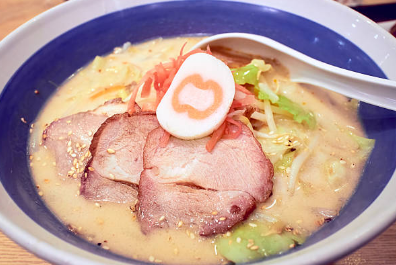
Pork bone soup base is made by simmering pork bones slowly for several hours, sometimes even days. This slow stewing process extracts rich, creamy essence from the bones to form a thick, creamy white and full of delicious soup bottom. On the other hand, soy sauce soup base is based on soy sauce flavored broth, which is usually lighter in color but full of salty, sweet and delicious flavors. The miso soup base is made from fermented soy sauce, which has a complex, rustic, and slightly sweet flavor. Salt flavored soup base is the simplest based on flavor, relying on the pure taste of salt to enhance the natural flavor of other ingredients, thus producing a light and refreshing soup base.
noodles
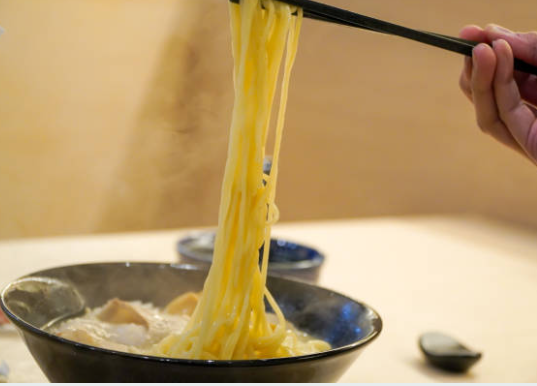
Japanese ramen Noodles noodles are also elaborately made. They can be made from wheat flour, with textures ranging from thin and delicate to thick and chewy. The shape of noodles also plays an important role in the overall dining experience. Straight noodles are very suitable for sucking soup bases, while curled noodles can retain more soup bases and ingredients, adding flavor to every bite.
Ingredient
The ingredients of ramen Noodles are as diverse as soup base and noodles. Common ingredients include fresh and tender char siu (roasted pork) slices, soft boiled eggs marinated in soy sauce, seaweed, bamboo shoots, and scallions. In some modern variants, spicy miso sauce, butter, and even cheese are added. Each ingredient not only adds a different taste, but also contributes to the overall flavor harmony of this dish.
Varieties of Japanese ramen Noodles
Boduo ramen Noodles
Bodo ramen Noodles, from Fukuoka City, southern Japan, is famous for its porridge bone soup base. The soup base is extremely rich and creamy, and the noodles are usually thin and straight. Bodo ramen Noodles is usually paired with garlic. Diners can grind garlic and add it to the soup base according to their taste.
Sapporo Ramen
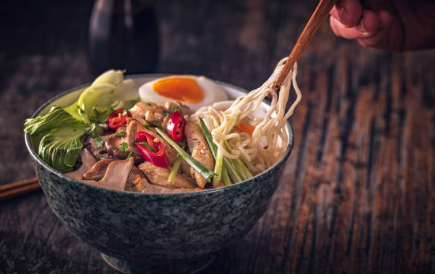
Sapporo ramen Noodles originated from the northern city of Sapporo, which is usually characterized by miso soup. It often contains corn, butter, and a unique fermented vegetable called “pickle”. The rich flavor of miso, the sweetness of corn, and the smooth texture of butter combine to create a unique and delicious taste.
Tokyo Ramen
Tokyo ramen Noodles is famous for its soy sauce soup base. The soup base of Tokyo ramen Noodles is usually light in color, but full of complex flavor, compared with the soup base of dolphin bone. Tokyo style ramen Noodles often has a variety of ingredients, and the noodles are usually medium thick, providing a balanced taste.
The global spread of Japanese ramen Noodles
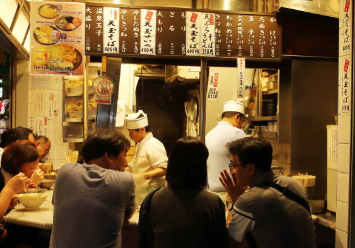
In recent decades, Japanese ramen Noodles has spread around the world like wildfire. Today, ramen Noodles shops can be found in major cities around the world, from New York to London, from Sydney to Dubai. The popularity of ramen Noodles in the world can be attributed to its diversity. It can be a quick and satisfying meal for busy people, or a culinary experience to sit back and enjoy to the fullest.
In addition, as ramen Noodles spreads globally, it is also evolving. Chefs around the world began to incorporate local ingredients and flavors into traditional ramen Noodles recipes. For example, in some western countries, ramen Noodles may add ingredients such as tomatoes, beef brisket and even avocados to create a unique fusion version that not only attracts local tastes but also retains the essence of Japanese ramen Noodles.
Japanese ramen Noodles is not just a bowl of noodles, it is a cultural phenomenon. It represents the art of Japanese cuisine, the spirit of innovation, and the power of food to bring people together. Whether you are in a small ramen Noodles shop in Tokyo or a fashionable ramen Noodles bar in a distant city, the experience of tasting a bowl of steaming, delicious ramen Noodles is undoubtedly a universal enjoyment. So, the next time you meet a bowl of Japanese ramen Noodles, take a moment to appreciate its history, production technology and the flavor that makes it one of the most popular food in the world.
https://finet52.com/the-ultimate-guide-to-japanese-ramen-and-sushi-rolls/
Related Posts
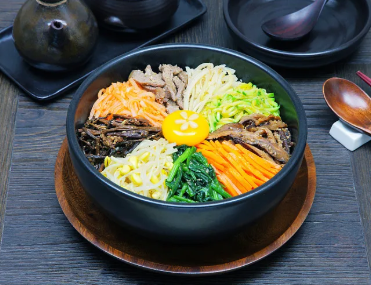
Why Is Bibimbap the Signature Dish of Korean Cuisine? Let’s Find Out!
This article has been updated and moved. Click here to…

From sushi to yakiniku: The popularity of Japanese and Korean cuisine in Oceania
This article has been updated and moved. Click here to…
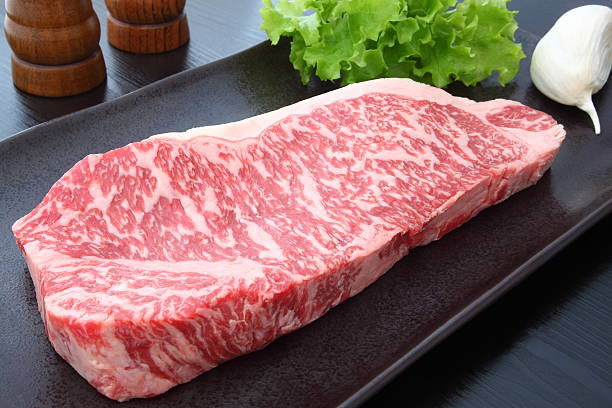
The Secrets of Wagyu Cuisine: Fat Texture and the Ultimate Taste Experience
This article has been updated and moved. Click here to…