https://finet52.com/the-ultimate-guide-to-fermentation-a-cross-cultural-journey-from-miso-kimchi-to-cheese/
Fermentation is more than just an old way of “preserving food.” For many, it’s like a magic of time: microorganisms transform ordinary ingredients into complex flavors, slowly blending culture, memory, and science together. Today, we start with miso and kimchi from Japan and Korea, following the thread of fermentation to explore European cheese culture —to see how these three elements resonate with each other in taste and thought, and how they can create new and exciting dishes in the modern kitchen.
Eastern Philosophy of Time: Miso and Kimchi
Japanese Miso: A Balance of Sweetness, Saltiness, and Umami
Miso relies on Aspergillus (koji) to break down starch and protein into soluble small molecules, producing its characteristic umami flavor. White miso (sweet, light-colored) and red miso (strong, long-fermented) differ only in time and proportion—but their flavors are vastly different. This concept of “controlled spoilage” seems to suggest: slow down, and you’ll see the essence of things.
Recommended Product (Available for Purchase) :
Marukome Organic White Miso Paste, 250g/500g — Marukome organic white miso from Japan, labeled “organic soybeans, organic rice koji, no artificial additives,” suitable for making miso soup, sauces, or marinades. It has a delicate texture, a pronounced umami flavor without being overly salty, and is suitable for beginners and those seeking a refreshing taste.
Korean Kimchi: A Lively Stage for Spicy and Lactic Acid
Korean kimchi uses lactic acid fermentation to stabilize vegetables like cabbage and radish in a sour, salty, and spicy flavor. The Kimjang family’s collective pickling activity transforms food preservation into a festive event. In terms of taste, kimchi offers vibrancy: the flavor of the acidophilic bacteria fluctuates with the number of fermentation days—the crispness of freshly made kimchi and the soft, tangy flavor after several weeks of fermentation are completely different experiences.
Recommended Product (Available for Purchase) :
Jongga Mat Kimchi, 500g — A Korean export brand, traditional recipe, packaged in vacuum-sealed or refrigerated jars. Labeled as naturally fermented and preservative-free, suitable for serving directly with rice, sandwiches, or as a spicy and sour garnish for Western dishes.
Incidentally , miso and kimchi are not synonymous with “completely natural and safe”—the methods of preparation and storage are very important. Homemade miso and kimchi should adhere to the principles of cleanliness and low temperatures .
A Microscopic Symphony in a Cave: European Cheese
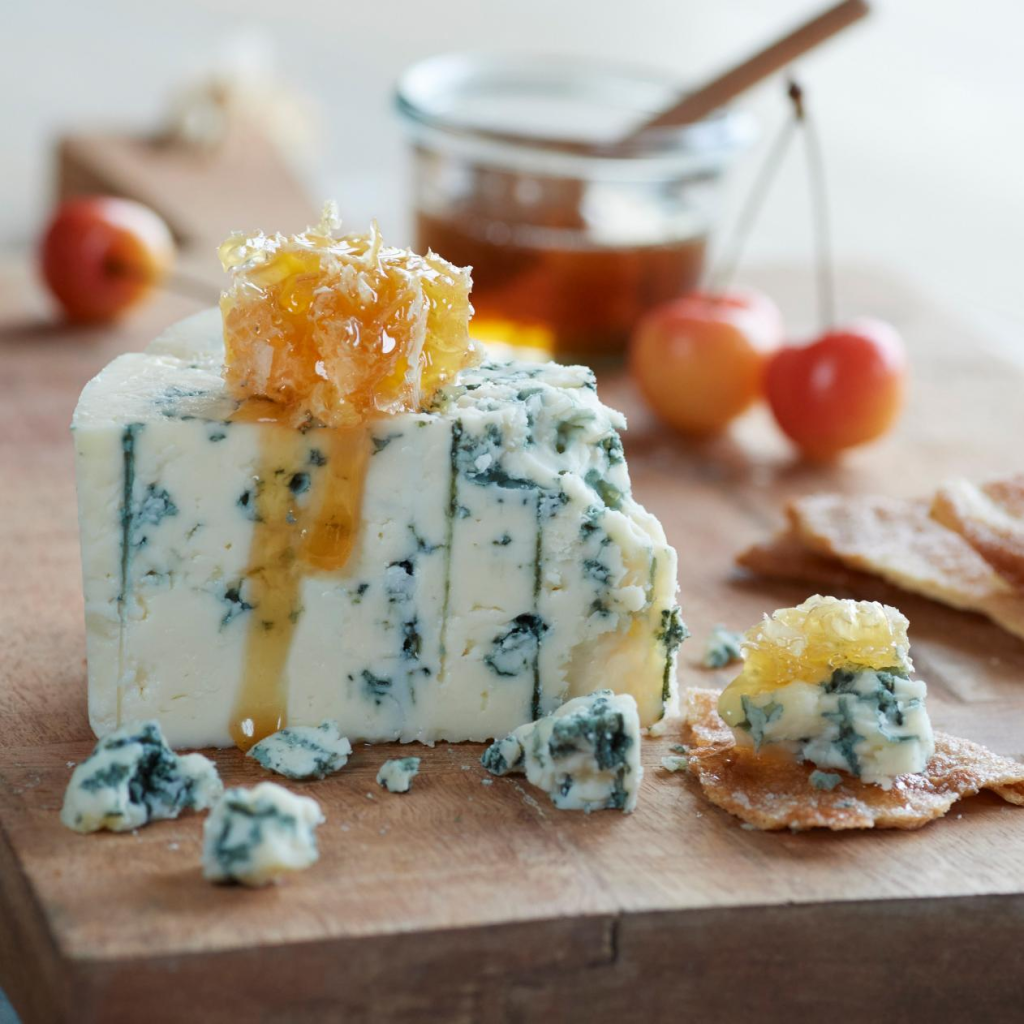
The European cheese world is dazzlingly diverse. Blue cheese, Camembert, Parmesan—they all share the common thread of being “invited” into the process by a certain microorganism, allowing time to layer their flavors. Take blue cheese, for example: Penicillium roqueforti grows in the humid, temperature-controlled environment of caves, producing a spicy, creamy, and pungent “texture.”
Recommended Product (Available for Purchase) :
Roquefort Société Blue Cheese, approx. 100g/200g pack —a traditional French blue sheep’s milk cheese, cave-aged, with a semi-firm to semi-soft texture, savory and with a complex musty aroma. Perfect for thinly slicing and pairing with pears and honey, or as a depth-enhancing ingredient in salads and dressings.
The Same Principle, Different Expressions: How Science Connects East and West
- Miso (Aspergillus) breaks down complex macromolecules into amino acids and sugars, creating umami and sweetness;
- Kimchi (made with lactic acid bacteria) inhibits harmful bacteria through fermentation, produces a sour taste, and enhances digestibility.
- Blue cheese (made from mold) alters the fats and proteins through fermentation and oxidation, resulting in its unique aroma and texture.
These seemingly different foods are actually doing the same thing: using biological processes to transform “simple” into “complex.” This is their strong connection—the same natural law, interpreted in different cultures, yields different aesthetics.
A simple experiment in the kitchen: How to mix and match three products
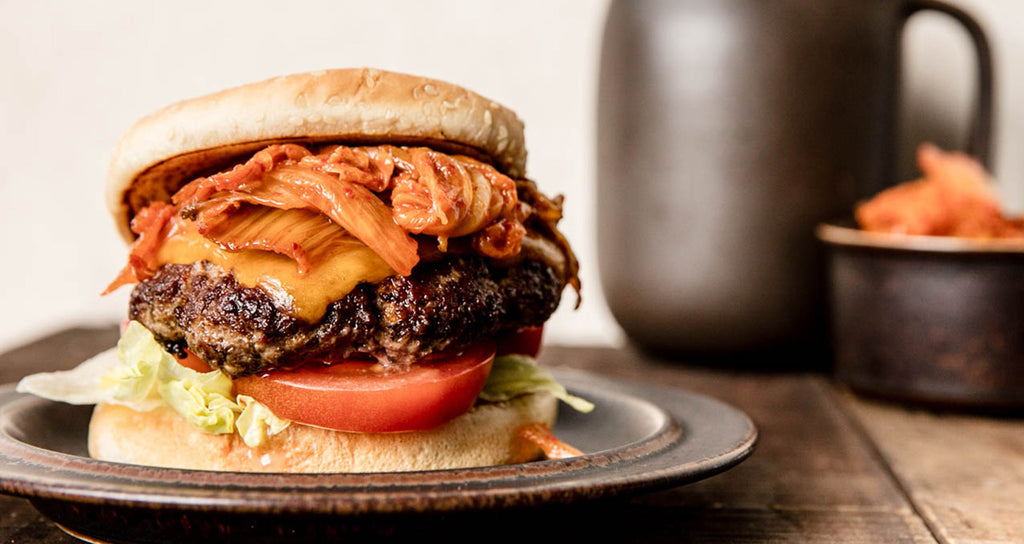
Want to try a “marriage” between East and West? Here are three simple yet effective ideas.
- Miso and blue cheese dressing (for salads/roasted vegetables)
- 2 tablespoons white miso (Marukome) + 1 tablespoon yogurt or Greek yogurt + 30g crumbled Roquefort + a dash of lemon juice.
- Blend into a slightly grainy sauce and spread on roasted asparagus or as a finishing touch to leafy green salads.
- Kimchi Blue Burger
- Insert a slice of Jongga kimchi and a small amount of chopped Roquefort beef patty, and the tangy spiciness of the kimchi cuts through the heaviness of the cheese, creating an unexpectedly harmonious combination.
- It is recommended to sear the beef at a high temperature for a short time to retain the juices and the crispness of the kimchi.
- Miso-marinated grilled cheese mushrooms
- Marinate mushrooms with miso, a little honey, and olive oil, then bake them and sprinkle with a little shredded blue cheese. The result is a rich blend of sweet, salty, and smoky flavors.
These recipes contain both “collisions” and “complements.” Sometimes they bring surprises; sometimes they require constant experimentation and adjustments. Isn’t cooking inherently about experimentation?
In conclusion: Fermentation teaches us both patience and creativity.
If fermentation is an art, then its canvas lies both in the small kitchens of East Asia and in the caves of France. For Western readers, understanding this process is not just about learning to cook a dish, but also about learning to converse with food over time. You can buy a jar of Marukome, a jar of Jongga, and a small piece of Roquefort from the supermarket and conduct a few home experiments; or you can learn to ferment slowly and experience the joy of “change after waiting.”
One last thought: Microorganisms are inconspicuous, but they turn the food we eat into stories. Take a bite and listen to what time tells on your tongue.
https://finet52.com/the-ultimate-guide-to-fermentation-a-cross-cultural-journey-from-miso-kimchi-to-cheese/
Related Posts
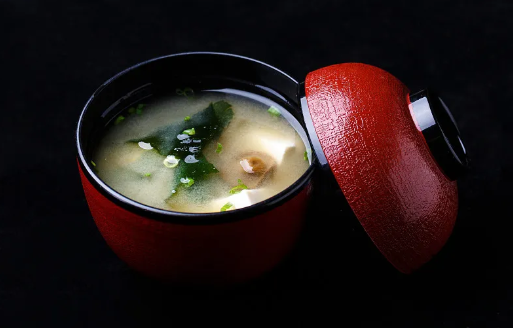
Japanese miso soup: a warm sip, filled with love
This article has been updated and moved. Click here to…
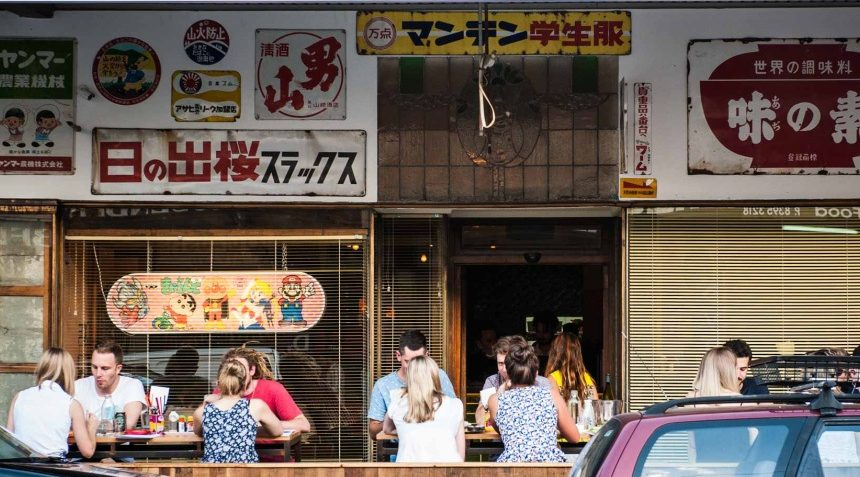
From sushi to yakiniku: The popularity of Japanese and Korean cuisine in Oceania
This article has been updated and moved. Click here to…
Site Migration Notice – Japanese and Korean Cuisine
Important Site Update The content of this site has been…