https://finet52.com/the-ultimate-guide-to-japanese-egg-culture-safety-standards-culinary-techniques-and-traditional-recipes/
In the rich world of Japanese cuisine, Onsen Tamago undoubtedly shines as a culinary gem. This seemingly simple poached egg has won the hearts of countless food lovers with its unique texture and special cooking method. Today, let’s explore the charm of Onsen Tamago, from its preparation and cultural background to its nutritional value and various ways to enjoy it.
1. The Unique Cooking Method of Onsen Tamago
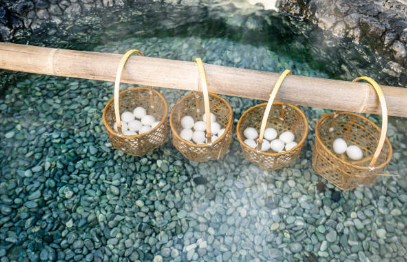
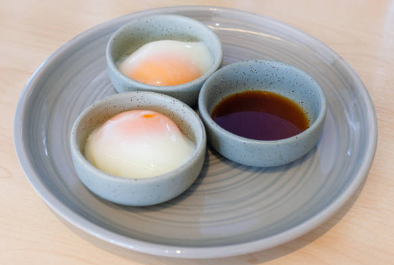
The name Onsen Tamago comes from its traditional cooking method: slowly cooking eggs in onsen (hot spring) water at a low temperature. The water temperature is usually kept around 65°C (149°F), which allows the egg white to gradually set while keeping the yolk in a semi-liquid state. This results in a delicate texture—a silky-smooth egg white and a creamy, runny yolk that melts in your mouth. This distinctive appearance and texture make Onsen Tamago an irresistible delicacy.
2. The Cultural Background of Onsen Tamago
The cooking method of Onsen Tamago originates from Japan’s onsen culture. In Japan, natural hot spring water, with its controlled temperature and rich mineral content, has been used for cooking since ancient times. The practice of cooking eggs in hot spring water became a classic tradition, and Onsen Tamago became a specialty in Japanese onsen resorts. Visitors often enjoy this delicacy while relaxing in a hot spring, making it a unique culinary experience.
Today, Onsen Tamago is no longer limited to hot spring regions. It has become a popular dish in households and restaurants across Japan, enjoyed for its delicate taste and health benefits.
3. The Delicious Taste and Nutritional Value of Onsen Tamago
Beyond its delightful texture, Onsen Tamago is also a nutritional powerhouse. Eggs are an excellent source of high-quality protein, B vitamins, and essential minerals. The low-temperature cooking method of Onsen Tamago helps retain more nutrients compared to traditional boiling or frying.
Additionally, the soft texture of Onsen Tamago makes it easy to digest, making it a great option for people looking for a nutrient-rich and gentle food to include in their diet. It is also highly versatile, blending seamlessly with other ingredients to enhance both flavor and nutritional value.
4. How to Enjoy Onsen Tamago: Pairings & Serving Ideas
Onsen Tamago is a popular side dish in Japanese cuisine and is commonly served with various traditional dishes, including:
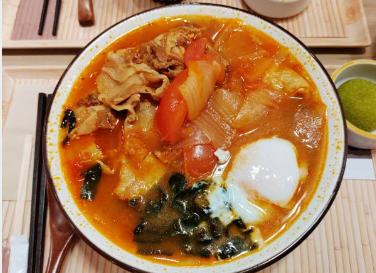
- Gyudon (Beef Bowl) – Adding an Onsen Tamago on top of a steaming bowl of beef and rice enhances the dish’s richness and smooth texture.
- Ramen – Placing Onsen Tamago in ramen broth adds a velvety richness to the soup, making it even more flavorful.
- Sushi & Donburi – Used as a topping for sushi bowls, Onsen Tamago complements the flavors of fresh seafood and rice.
- Simple Appetizer – Onsen Tamago can be enjoyed with a drizzle of soy sauce, a sprinkle of seaweed, or a dash of dashi for a light and refreshing dish.
Its mild and creamy texture pairs well with a variety of foods, making it a versatile addition to any meal.
5. How to Make Onsen Tamago at Home
Although Onsen Tamago is traditionally made in hot spring water, you can easily prepare it at home with just eggs and a pot of water by following these steps:
Step-by-Step Guide:
- Heat Water – Bring water to approximately 65°C (149°F) and keep the temperature steady.
- Cook the Eggs – Gently place eggs into the water and let them cook slowly for 20–30 minutes at low heat.
- Cool and Serve – After cooking, transfer the eggs to cold water for a quick cool-down. Gently crack the shell and enjoy the silky egg white and runny yolk.
You can adjust the cooking time slightly depending on your preferred level of egg white firmness.
6. The Health Benefits of Onsen Tamago
Onsen Tamago is a nutritious and health-conscious choice due to its balanced combination of protein, healthy fats, and essential nutrients.
- High-Quality Protein – Supports muscle repair, immune function, and overall body maintenance.
- Omega-3 Fatty Acids – Beneficial for brain health, memory, and concentration.
- Easier Digestion – The gentle cooking process preserves nutrients while making the egg easier to digest.
Since Onsen Tamago is cooked at a lower temperature, it retains more bioavailable nutrients, making it a nutrient-dense, low-fat, and high-protein food ideal for a healthy diet.
https://finet52.com/the-ultimate-guide-to-japanese-egg-culture-safety-standards-culinary-techniques-and-traditional-recipes/
Related Posts
A complete list of types of Korean kimchi: not only spicy cabbage, but also these unpopular kimchi
This article has been updated and moved. Click here to…
Exploring Japanese Octopus Skewers: Delicious Temptations on the Streets and Alleys
This article has been updated and moved. Click here to…
Site Migration Notice – Japanese and Korean Cuisine
Important Site Update The content of this site has been…