https://finet52.com/the-ultimate-guide-to-kimchi-fermentation-hacks-diverse-korean-types/
Kimchi, as a representative of Korean food culture, has a wide variety of types and different flavors. In addition to the well-known spicy cabbage, there are also many lesser known but equally delicious types of kimchi, each carrying unique flavors and cultural connotations.
1、 Common types of kimchi
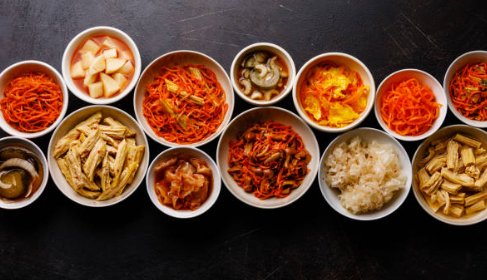
1. Cabbage and kimchi
Cabbage kimchi is the most common and well-known Korean kimchi. Made mainly from Chinese cabbage and marinated with chili powder, garlic, ginger, fish sauce, shrimp sauce and other seasonings. It has a crisp taste and moderate spiciness, making it an essential side dish on Korean dining tables. The production methods of cabbage kimchi vary slightly in different regions and households, so there are also rich flavor variations. For example, cabbage kimchi in Jeolla Province is usually sweet and moist, while in Gyeonggi Province it tends to be spicy.
2. White kimchi
As the name suggests, white kimchi is a type of kimchi that is white in color. Unlike regular red kimchi, it does not contain chili during the pickling process, making it a non spicy kimchi. Its characteristic is that it tastes sour.
3. Water radish kimchi
Water radish kimchi may be a bit unfamiliar to everyone, but it is also a non spicy, water rich kimchi soaked in salt water. And “Dong” means winter. Usually, Koreans eat this pickle in winter.
4. Carrot kimchi
Radish kimchi is also one of the most famous kimchi, but unlike regular sliced pickled radishes, it is pickled whole and some people also call it “bachelor kimchi”.
5. Pickled radish
This is also the second most common type of kimchi found in restaurants and Korean homes. Usually, when drinking soup dishes, this sliced radish is eaten together.
6. Cucumber kimchi
As the name suggests, this is also a very common pickled kimchi, mainly made from cucumbers. What is particularly special is that during the pickling process, in addition to chili sauce, seafood sauce is also added. This kimchi is usually eaten in spring or summer.
7. Carrot leaf kimchi
Some people also call this kimchi radish kimchi, but the special part is that it has a lot of leaf components.
2、 Types of unpopular kimchi

1. Mango kimchi
Although it may sound strange, mango kimchi does exist. The combination of the sweetness of mango and the sour and spicy taste of kimchi creates a unique taste.
2. Strawberry kimchi
Strawberry kimchi is another less common type of kimchi, where the sweetness of strawberries contrasts sharply with the acidity of kimchi, making it suitable for people who enjoy trying new flavors.
3. Peach kimchi
Peach kimchi is also a niche kimchi, combining the sweetness of peaches with the sour and spicy taste of kimchi, bringing a unique taste experience.
4. Cauliflower kimchi
Cauliflower kimchi is a healthier choice for kimchi, as the crisp and refreshing taste of cauliflower complements the sour taste of kimchi.
5. Watermelon kimchi
Watermelon kimchi is a very unique kimchi, combining the sweetness of watermelon with the sour and spicy taste of kimchi, bringing a refreshing taste.
6. Chocolate kimchi
Chocolate kimchi may sound incredible, but it does exist. The sweet taste of chocolate contrasts sharply with the sour taste of kimchi, making it a very interesting attempt.
7. Grape kimchi
Grape kimchi is a relatively rare type of kimchi, which combines the sweetness of grapes with the sourness of kimchi to create a unique taste experience.
8. Orange kimchi
Orange kimchi is a relatively fresh kimchi, combining the sweetness of oranges with the sour and spicy taste of kimchi, bringing a unique taste.
9. Pomegranate kimchi
Pomegranate kimchi is a very unique type of kimchi, combining the sour and sweet taste of pomegranate with the sour and spicy taste of kimchi, bringing a rich taste experience.
10. Aloe vera kimchi
Aloe vera kimchi is a healthier choice for kimchi, as the cool taste of aloe vera complements the sour taste of kimchi.
3、 The cultural significance of kimchi
Korean kimchi is not only a delicacy, but also a cultural symbol. The production and consumption of kimchi plays an important role in Korean families. Every important festival, such as the Spring Festival and the Mid-Autumn Festival, Korean families prepare a large number of kimchi, which symbolizes the harvest and family reunion. The diversity and richness of kimchi also reflect the love and creativity of Koreans for food.
I hope this blog can give you a deeper understanding of Korean kimchi. Next time you taste kimchi, why not try some lesser known varieties and experience the diverse charm of Korean kimchi!
https://finet52.com/the-ultimate-guide-to-kimchi-fermentation-hacks-diverse-korean-types/
Related Posts
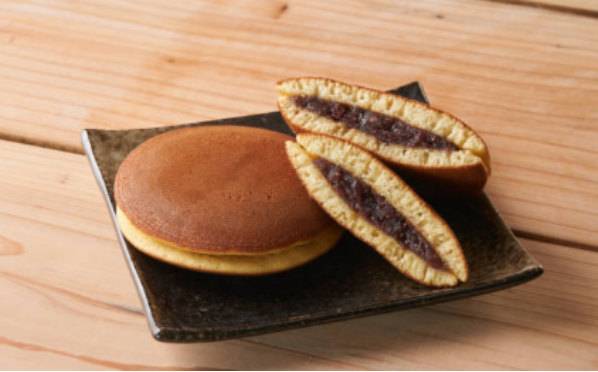
The King of Japanese Street Desserts: Why Do People Fall in Love with Dorayaki at First Bite?
This article has been updated and moved. Click here to…
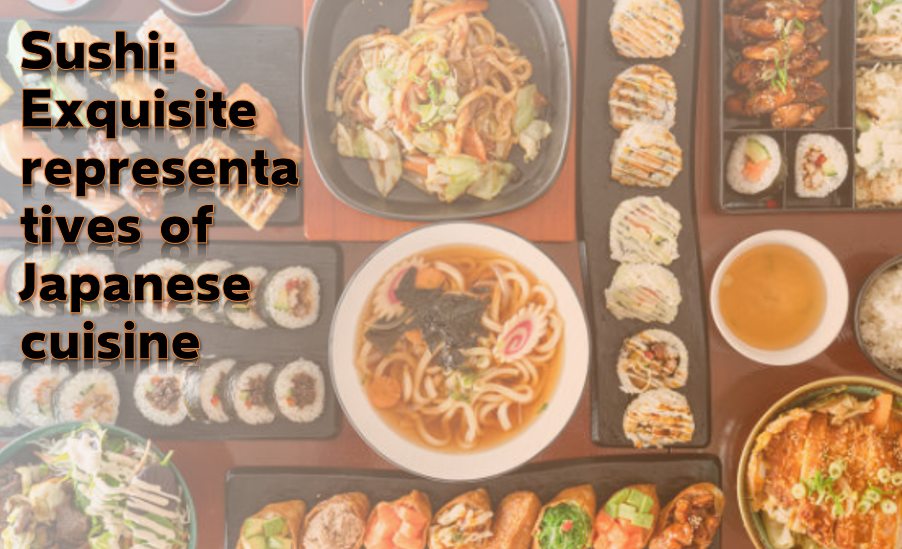
Sushi: The Exquisite Representative of Japanese Cuisine
This article has been updated and moved. Click here to…
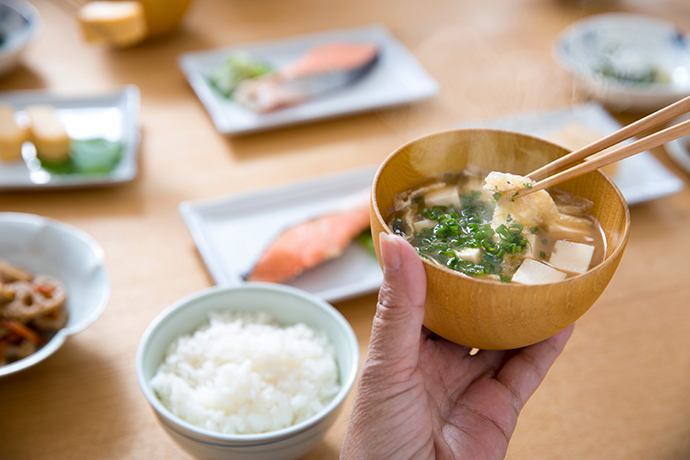
The Art of Fermentation: A Cross-Cultural Taste Journey from Miso and Kimchi to Cheese
This article has been updated and moved. Click here to…