https://finet52.com/exploring-traditional-japanese-comfort-foods-a-deep-dive-into-miso-soup-and-oden/
In the galaxy of Japanese cuisine, Kanto cuisine is like a warm pearl, emitting a unique charm. It is not only popular in Japan, but also has won the hearts of many diners in other countries and regions.
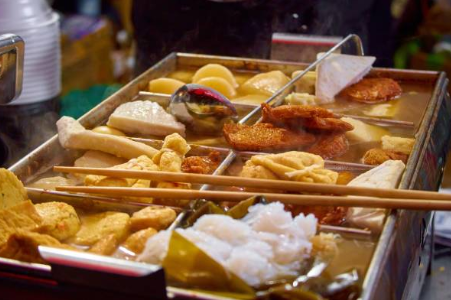
The origin story of Kanto cuisine is full of historical charm. Its real name is Oda, and there are multiple origins to it. One viewpoint suggests that it evolved from the Muromachi era’s “Kamakura”, initially a cooking method used by farmers, and gradually developed into a popular street snack during the Edo period; Another theory is that in the early days, various ingredients were mixed together and cooked together, resembling cousins, hence the name “cousin cooked”. With the passage of time, after being spread to Kansai, it became known as Kanto cuisine and underwent distinctive transformations in different regions, forming the rich and diverse appearance it has today.
The preparation method of this delicacy may seem simple, but it is actually exquisite. The rich and diverse ingredients are a highlight of Kanto cooking. From common ingredients such as eggs, radishes and potatoes, to characteristic balls such as fish balls and bamboo wheels, as well as unique choices such as tofu balls and bean skin mochi from Japanese stores, and the rich tribute balls and beef balls in Taiwan, China, China, each can bring different surprises to the taste buds. The delicious soup base is the soul. The firewood fish, kelp soup or chicken soup are carefully cooked to make the ingredients fully absorb the essence of the soup. During the cooking process, patiently stew the ingredients at different heat levels to achieve the best taste, and the ingredients that absorb the broth emit a tempting flavor.
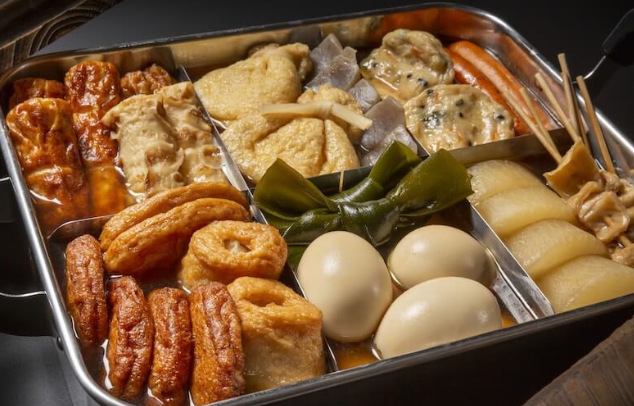
In terms of consumption, different regions also have their own characteristics. In Japan, Kanto yaku skewered on bamboo sticks paired with mustard dipping sauce has a unique flavor; In Taiwan, China, there are obvious differences in seasoning sauce between the south and the north. Whether soy sauce, tomato sauce, or tempura sauce, all add a unique regional color to this food.
The charm of Kanto cuisine lies not only in its deliciousness, but also in the warmth and comfort it conveys. Whether in the cold streets of Japan, in the bustling night markets of Taiwan, China, China, or in small shops in other places, a bowl of steaming Kanto cooking can make people stop in their busy lives and enjoy a moment of satisfaction and happiness. Despite being caught up in the additive controversy, as long as it is used within the prescribed range, it is still a delicious food that we can safely taste.
The small Kanto cuisine carries the food culture and life memories of different regions. It warms people’s stomachs and touches their hearts in a simple and pure way.
https://finet52.com/exploring-traditional-japanese-comfort-foods-a-deep-dive-into-miso-soup-and-oden/
Related Posts
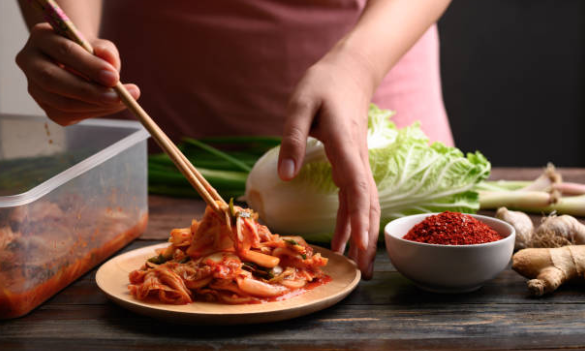
A complete list of types of Korean kimchi: not only spicy cabbage, but also these unpopular kimchi
This article has been updated and moved. Click here to…
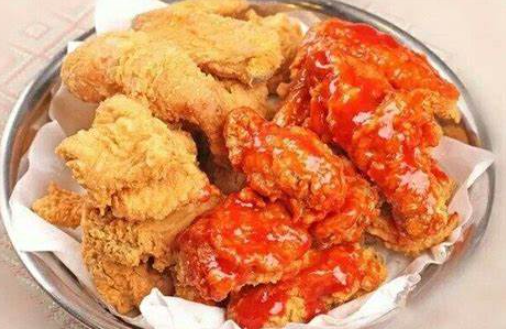
There are various ways to eat Korean fried chicken, but there is always one that you can’t stop eating
This article has been updated and moved. Click here to…