https://finet52.com/the-ultimate-guide-to-japanese-egg-culture-safety-standards-culinary-techniques-and-traditional-recipes/
Tamagoyaki, a traditional Japanese dish, is not only a delicious egg roll but can also be the heart of a healthy family meal. Its soft texture and distinct layers make it an important source of high-quality protein for breakfast, bento boxes, and even dinner. This article will provide you with a detailed guide to making tamagoyaki and share scientific principles for healthy family meal planning, helping you easily create a nutritionally balanced Japanese-style diet. You can also draw unique seasoning inspiration from African cuisine to add an exotic flavor to your family meals. [Semi-precise anchor text link: African Cuisine Guide]
I. The allure and nutritional value of tamagoyaki
What is Tamagoyaki?
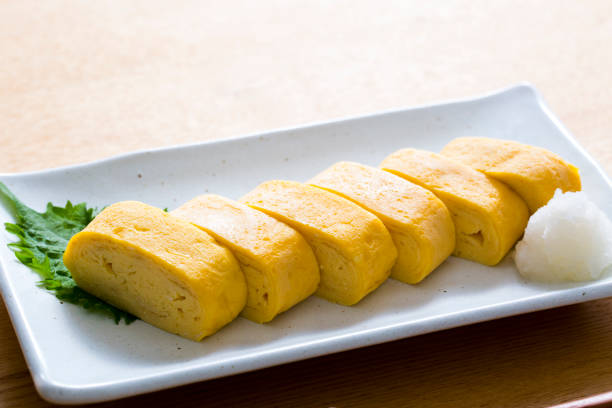
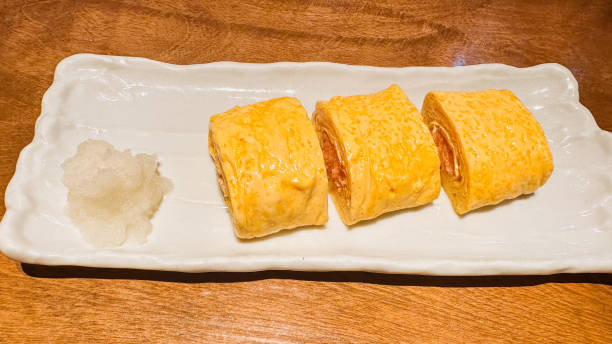
Tamagoyaki is a Japanese omelet made by frying multiple layers of thin egg batter.
The Kanto region tends to favor a sweeter flavor, while the Kansai region prefers a saltier one—but both represent the Japanese pursuit of home-cooked meals.
Nutritional Highlights
High-quality protein : Eggs contain complete essential amino acids, which help muscle repair and tissue growth.
Rich in vitamins : Vitamins A, D, and B12 support immune and metabolic health.
Trace minerals : iron, zinc, and selenium work together to maintain blood circulation and the nervous system.
In a balanced diet, tamagoyaki can be the main source of energy for breakfast, or a perfect side dish for lunch.
II. Traditional Tamagoyaki Making Method
Prepare tools and ingredients
tool
Tamagoyaki rectangular frying pan (or regular frying pan)
chopsticks / spatula
mixing bowl and whisk
Basic ingredients
3-4 eggs
1 tablespoon mirin
1 teaspoon of sugar (optional)
1 teaspoon of soy sauce
1 tablespoon juice
Production steps
① Beat the eggs and season them:
Gently beat the eggs, add the seasonings and stir well. Filtering will make the texture smoother.
②
Brush oil in a frying pan, heat it, and pour in a small amount of egg mixture; when it’s half-cooked, roll it up from the far end, then push it back to the far side, and continue pouring in new egg mixture.
Repeat this rolling and stacking process until all the egg mixture is used up.
③ After shaping and
cutting, gently wrap the tamagoyaki with a bamboo mat for 5 minutes to set its shape. Let it cool slightly before cutting into pieces.
The neatly cut and clearly textured tamagoyaki is one of the most comforting sights on the family dining table.
III. Health Improvement and Creative Upgrade
Low sugar and low salt version
Use natural mirin instead of sugar
Reduce the amount of soy sauce and use kelp dashi to enhance the flavor.
Add chopped vegetables or carrot pieces to increase dietary fiber.
Nutritionally Fortified Version
Chopped spinach : Iron supplement, improves complexion
Mashed tofu : a good source of calcium and has a smooth texture.
Salmon floss or tuna flakes : Add Omega-3 fatty acids
Exotic Flavors
Want to add a little surprise to your tamagoyaki? You can fine-tune the seasoning:
Incorporate African-style spices (such as mild paprika and roasted beans).
Pair it with fried rice or herbs and vegetables to create a variety of flavorful bento boxes.
IV. Scientific Principles of Family Healthy Meals
According to the U.S. Dietary Guidelines, a meal should include four core food groups:
Protein : Tamagoyaki is an excellent source.
Carbohydrates : Rice or whole grains
Vegetables : A variety of vegetables ensure fiber and vitamins
Fruits : Provide antioxidant nutrients
Recommended Examples
Breakfast Combination (Moderate Energy)
Main course: Original Tamagoyaki
Side dishes: miso soup + cold spinach salad
Staple food: Mixed grain rice
Calories: Approximately 450 kcal
Lunch Bento Set (Satiating and Balanced)
Main course: Vegetable tamagoyaki
Side dishes: Grilled fish + pickles
Staple food: Brown rice
Nutritional rating: ★★★★☆
V. Kitchen Q&A: Small problems you might encounter
Q1: What should I do if my tamagoyaki (Japanese rolled omelet) breaks easily?
The main reasons are too high heat or too thin an egg mixture. Cook over medium-low heat, ensuring each layer is of a certain thickness.
Q2: What if I don’t have a special pan?
You can make thick omelets in a regular frying pan, just in a slightly different shape.
Q3: Can I eat eggs while dieting?
Absolutely. Eggs are very filling, and as long as you reduce the amount of oil and sugar, they are a healthy, low-calorie option.
Q4: How to store?
Refrigerate for 2–3 days, or freeze for up to 2 weeks.
Steaming or microwaving is recommended for heating; avoid frying as this will toughen the eggs.
Conclusion | A roll of tamagoyaki, a meal of happiness
Tamagoyaki is not just a dish, but also a family ritual.
From gently beating the egg to rolling it into shape, every action seems to convey the “warmth of home”.
Through scientific pairing and flavor innovation, you can transform this traditional Japanese dish
into a healthier and more creative family meal.
Action recommendations:
I’ll make some tamagoyaki tonight, try a low-sugar or vegetable version;
I’ll prepare a tamagoyaki bento for my family tomorrow.
Next time, try adding some African spices and explore new flavor surprises.
Let a roll of tender tamagoyaki be the delicious start to your family’s healthy meals.
https://finet52.com/the-ultimate-guide-to-japanese-egg-culture-safety-standards-culinary-techniques-and-traditional-recipes/
Related Posts

Introduction to Japanese plum wine
This article has been updated and moved. Click here to…
Oden Story:A Warm Symbol of Japanese Food Culture
This article has been updated and moved. Click here to…