https://finet52.com/the-ultimate-guide-to-sushi-history-types-culinary-artistry/
In the dazzling starry sky of Japanese cuisine, sushi is undoubtedly the most dazzling star. It has conquered the taste buds of diners around the world with its unique charm, becoming an iconic symbol of Japanese food culture.
The Origin and Development of Sushi
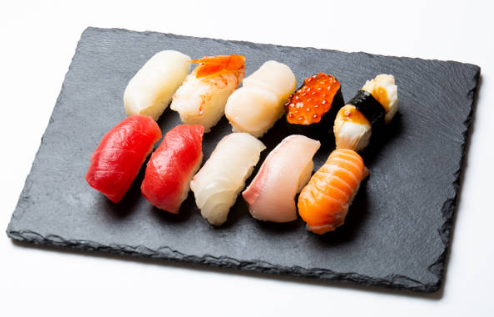
Sushi has a long and rich history, with its origins dating back hundreds of years. Initially, sushi was a method of preserving fish. People pickle fish with salt and rice, and use the lactic acid produced by rice fermentation to inhibit bacterial growth, thereby extending the shelf life of fish. Over time, this pickling method gradually evolved into a delicacy. In the Edo period, sushi underwent a major transformation, with the emergence of grip sushi, where chefs directly place raw fish slices on vinegar rice and knead them by hand. This innovative production method made sushi more delicious and quickly became popular among the public, gradually developing a rich and diverse variety.
The rich variety of sushi
nigiri-zushi
Gripping sushi is the most common type of sushi. It is made with fresh sashimi such as tuna, salmon, sweet shrimp, eel, etc., paired with carefully prepared vinegar rice, skillfully kneaded by the master’s hands. The freshness of raw fish slices and the master’s kneading skills are the key to grasping the quality of sushi. Each piece of sushi is of moderate size, making it convenient for diners to take a bite, perfectly blending the deliciousness of raw fish slices with the sweetness of vinegar rice in their mouths.
Sushi Roll
Roll sushi is made by rolling various ingredients into seaweed. Common ones include California rolls, which are filled with crab meat, avocado, cucumber, and other ingredients. They have a rich and refreshing taste. There are also too many rolls, usually containing various ingredients such as fish, vegetables, eggs, etc. The ingredients are rich, and when you bite into them, they are full of delicious food.
Warship sushi
The shape of warship sushi is unique, resembling small warships. It is to spread rice on seaweed, and then put various raw fish slices, caviar, crab seeds and other ingredients on top of the rice. Due to the rich ingredients, the taste of warship sushi is distinct and deeply loved by diners.
The production process of sushi

Making sushi may seem simple, but it actually contains profound skills. Firstly, the production of rice involves selecting high-quality rice, carefully washing, soaking, steaming, and then adding an appropriate amount of sushi vinegar and stirring evenly. The mixing ratio, timing, and technique of sushi vinegar have a significant impact on the taste of rice. Good sushi rice should have plump grains, moderate softness, and a light sour sweet taste.
For the processing of raw fish slices, the chefs strive for excellence. Fresh fish catches need to be processed at the appropriate time, removing fish bones and skin, and cut into even thin slices. The thickness of raw fish slices should be just right, which can ensure the taste and showcase the original flavor of the ingredients. When making sushi, the chefs use skilled techniques to quickly place the raw fish slices on top of the rice and gently knead them to tightly bond the rice and fish slices without damaging the shape of the rice and the freshness of the raw fish slices.
Ingredients selection for sushi
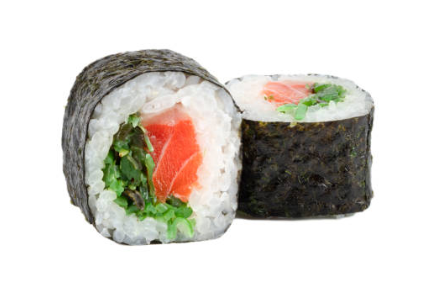
The deliciousness of sushi cannot be separated from high-quality ingredients. Sashimi is the soul of sushi, and freshness is crucial. Deep sea fish such as tuna and salmon are usually processed quickly after fishing to maintain their optimal taste and nutrition. Vegetable ingredients such as cucumbers, avocados, etc. should be chosen fresh and crispy to add a refreshing taste to sushi. Seaweed needs to be roasted until crispy and emits a unique aroma. In addition, ingredients such as caviar and crab seeds not only add rich flavors to sushi, but also make it visually more tempting.
Sushi’s popularity worldwide
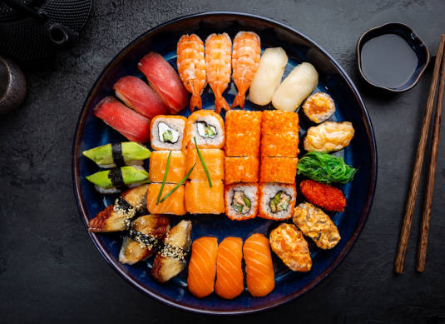
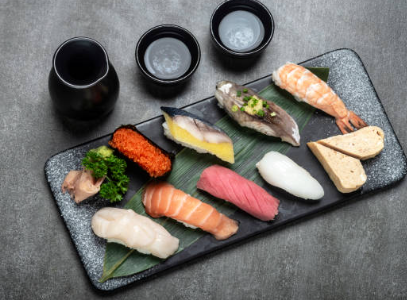
Nowadays, sushi has already left Japan and become popular worldwide. Sushi restaurants can be found in cities around the world. Whether it’s the bustling streets of New York or the romantic alleys of Paris, sushi is loved by people for its exquisite appearance, rich taste, and healthy concept. Many non Japanese chefs have also learned sushi making techniques, innovated on the basis of tradition, and launched various fusion flavors of sushi to meet the needs of different diners.
Sushi, the exquisite representative of Japanese cuisine, is not only a delicious food, but also a vivid embodiment of Japanese food culture. It has become a sought after delicacy among global food enthusiasts due to its unique production techniques, diverse varieties, and extreme pursuit of ingredients. Next time you taste sushi, why not savor the history and culture it contains and feel the unique charm of this Japanese cuisine.
https://finet52.com/the-ultimate-guide-to-sushi-history-types-culinary-artistry/
Related Posts
Top 10 most popular fish in Japan, which ones have you tried
This article has been updated and moved. Click here to…
Tempura: The Art of Fried Food in Japanese Cuisine
This article has been updated and moved. Click here to…
Health Benefits of Japanese Potato Salad: Why It’s the Ideal Side Dish
This article has been updated and moved. Click here to…