https://finet52.com/the-essence-of-japanese-culinary-art-sukiyaki-and-tempura/
In the rich world of Japanese cuisine, Shouki yaku is like a brilliant pearl, emitting a unique charm. It is not only a delicacy, but also a reflection of culture and an art of life. Today, let’s step into the world of Suki cuisine together, exploring its history, ingredients, cooking methods, and cultural significance it carries.
Historical origin
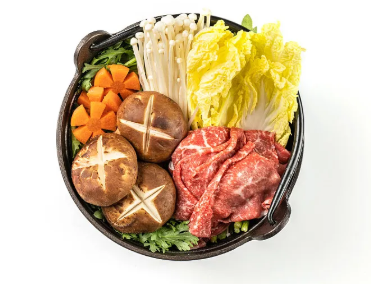
The history of Shouki yaku can be traced back to the Edo period in Japan. At that time, beef was not common in Japan, and it was not until the Meiji Restoration that beef was gradually introduced into Japanese culinary culture.Sukiyaki was originally made to celebrate festivals and special occasions, and its name also implies “longevity” and “joy”. In that era, people used simple seasonings and fresh ingredients to cook delicious dishes of Suki yaki, which gradually became a classic in Japanese cuisine.
Food selection
The ingredients of Suki Shao are very particular, including beef, tofu, cabbage, onions, konjac shreds, etc. Beef is the soul of Suki yaku, and it is usually made from Wagyu beef with evenly distributed fat, such as Kobe beef, Matsusaka beef, etc. These beef not only have a delicious taste, but also melt in the mouth. Tofu, with its delicate taste and rich nutrition, adds a unique charm to Suki Shao. Cabbage, onions and other vegetables bring a sweet and refreshing taste to Suki Shao, making the whole dish more colorful.
Seasoning formula
The seasoning of Suki Shao is the key to its unique flavor. The traditional seasonings for shochu include soy sauce, mirin, sake, and sugar. The proportion and combination of these seasonings can be adjusted according to personal taste. Generally speaking, the ratio of soy sauce to mirin is 1:1, and the ratio of sake to sugar is 2:1. This seasoning formula not only enhances the deliciousness of ingredients, but also makes the entire dish taste more harmonious and unified.
Cooking steps
Preparation of ingredients: Cut the beef into thin slices and marinate with seasonings for 10-15 minutes. Cut tofu into pieces, shred cabbage and onions, and set aside konjac shreds.
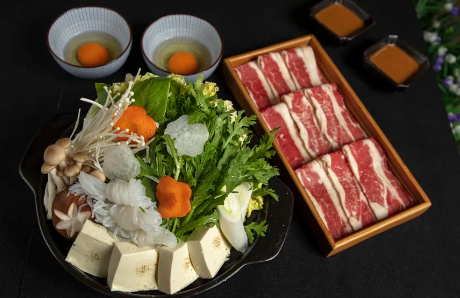
Cooking process: Add an appropriate amount of oil to the pot, heat it up, add beef slices, and quickly stir fry until the color changes. Add tofu cubes, shredded cabbage, shredded onion, and konjac, and continue stir frying until evenly mixed. Pour in the seasoning, add an appropriate amount of water, and cook until the soup thickens.
Serve on a plate: Finally, sprinkle with chopped green onions, set the Suki yaki on a plate, and pair it with a bowl of steaming white rice to enjoy.
Eating experience
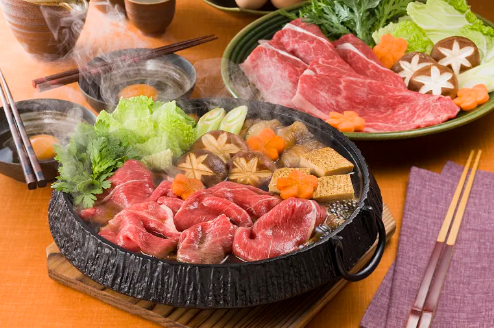
The consumption experience of Suki Shao is very rich. The freshness and juiciness of beef, the softness and sweetness of tofu, the refreshing sweetness of vegetables, and the unique flavor of seasonings leave an endless aftertaste. On a cold winter day, sitting together to enjoy a steaming hot Suki barbecue not only warms the body but also the heart. Every bite of Shouki yaku seems to speak of the delicacy and delicacy of Japanese cuisine.
Cultural meaning
Shouki yaku is not only a delicacy, but also an important part of Japanese culture. It symbolizes family reunion and deep friendship between friends. In Japan, Suki yaki often appears at family gatherings and holiday celebrations, where people sit together, share delicious food, and strengthen relationships. This dish is not just a food, but also an expression of emotions and a cultural heritage.
Conclusion
Shou Xi Shao, this charming Japanese cuisine not only satisfies our taste buds, but also allows us to experience the profound cultural heritage of Japan. It is not only a delicacy, but also an attitude towards life. I hope this blog can give you a deeper understanding of Suki yaku, and I also look forward to you personally tasting this delicious dish in the near future, starting your own taste journey in the world of Suki yaku.
https://finet52.com/the-essence-of-japanese-culinary-art-sukiyaki-and-tempura/
Related Posts
Site Migration Notice – Japanese and Korean Cuisine
Important Site Update The content of this site has been…
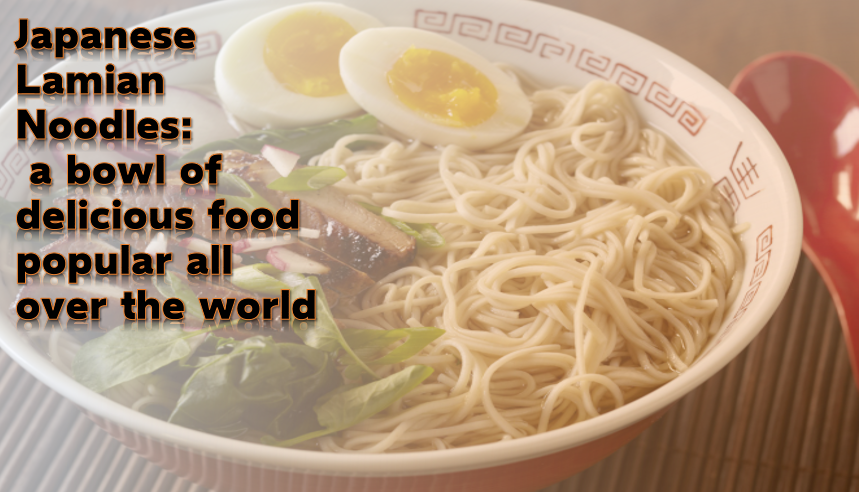
Japanese Ramen Noodles: a bowl of delicious food popular all over the world
This article has been updated and moved. Click here to…