https://finet52.com/the-ultimate-guide-to-japanese-korean-cuisines-rise-in-oceania/
On the streets of Australia and New Zealand, sushi restaurants and Korean BBQ eateries have transformed from exotic destinations into everyday choices. This article will delve into how Japanese and Korean cuisine, from sushi to BBQ, has established itself in Oceania, analyzing the cultural forces, adaptations, and changes behind it, and looking ahead to future trends. Whether it’s high-end sushi restaurants, izakayas, or Korean BBQ and bibimbap, these classic East Asian dishes are deeply integrated into the local food culture of Oceania , forming a food ecosystem that combines tradition and innovation.
A Food Revolution in Oceania: The Rise of Japanese and Korean Cuisine
The culinary landscape of Oceania has undergone significant changes over the past two decades. With increasing Asian immigration and deepening globalization, Australian and New Zealand consumers have developed more open and international palates. Against this backdrop, Japanese and Korean cuisines, with their unique appeal, have successfully seized the opportunity and gradually become an important part of urban dining.
The rise of Japanese and Korean cuisine stems not only from its flavor advantages but also from its emphasis on health, refinement, and social culture: sushi emphasizes freshness and low fat, while Korean cuisine highlights interactivity and shared experiences, catering to the dietary needs of the local middle class and young people.
Successful Differentiation Path of Japanese and Korean Cuisine
Although both belong to East Asian cuisine, Japanese and Korean cuisines have taken different paths to popularity in Oceania.
Japanese cuisine: A healthy and refined paradigm spearheaded by sushi.
The popularization of Japanese cuisine can be seen as a top-down process of refinement. Sushi initially appeared as a high-end restaurant, emphasizing fresh ingredients, visual aesthetics, and a healthy, low-fat concept, which highly aligned with the pursuit of healthy eating by Oceania consumers.
With the rise of conveyor belt sushi and sushi delivery restaurants, Japanese cuisine has rapidly become more mainstream, becoming the top choice for convenient lunches for office workers and students. Ramen, izakaya culture, and other elements have also enriched the experience of Japanese food, making it available in a wide range of scenarios, from fine dining dinners to fast food delivery.
Korean food: Social dining riding the wave of the Korean wave
The rapid rise in popularity of Korean cuisine is closely related to the export of “Korean Wave” culture. With the global popularity of shows like “Squid Game” and BTS, young people in Oceania have developed a strong interest in Korean culture, and food has become the most direct way to experience it.
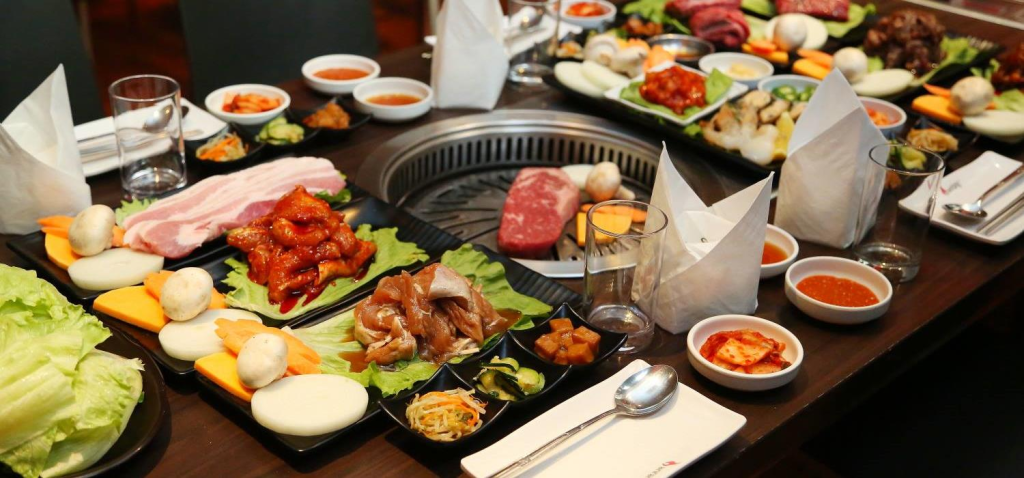
Korean BBQ (KBBQ) stands out for its interactive and social nature, making it a popular choice for gatherings with friends. Dishes like fried chicken with beer and army stew have also become deeply ingrained in people’s minds due to their appearances in movies and TV shows, leading to rapid growth of Korean cuisine among young people in Korea.
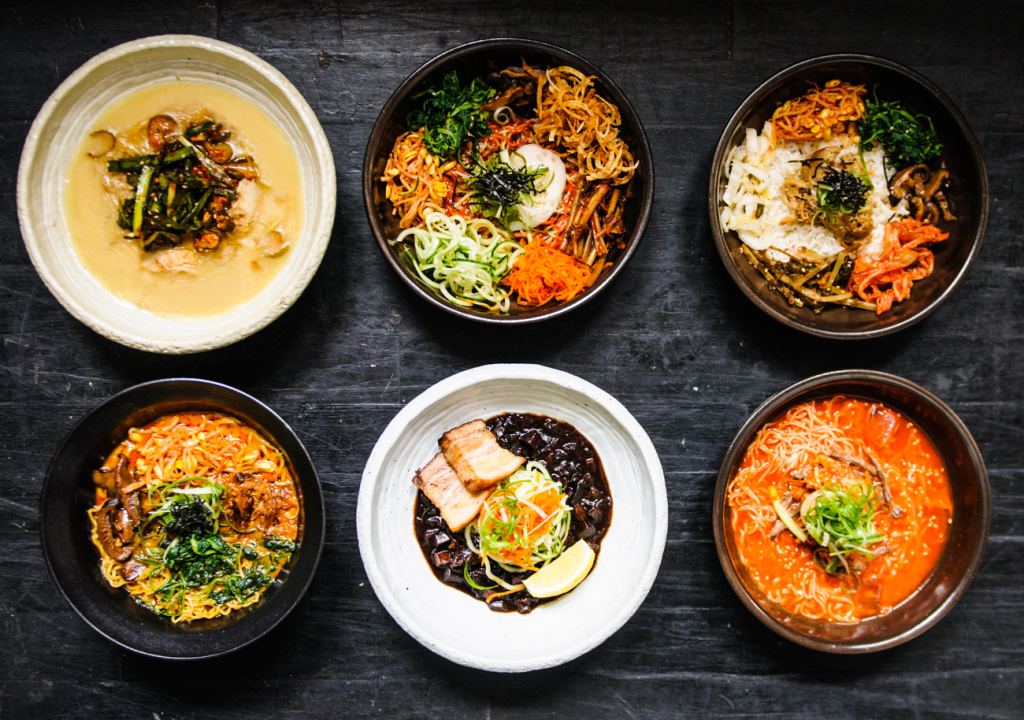
Localization and Integration: Changes Made for Oceania Flavors
In order to establish themselves in the local market, Japanese and Korean cuisine has undergone a certain degree of “Oceanianization” in Oceania:
Flavor adjustments : Restaurants will slightly reduce the saltiness and spiciness of soy sauce, miso, and chili sauce to cater to local tastes.
Ingredient innovation : Using high-quality local ingredients such as Australian beef and New Zealand king salmon, fusion dishes such as “fried chicken cutlet sushi rolls” and “kimchi beef pies” are created.
Simplified format : Simplify complex meal sets into single items, such as donburi and bibimbap, for convenient fast food consumption scenarios.
Data and Trends: The Market Influence of Japanese and Korean Cuisine
Market research shows that Asian cuisine is one of the fastest-growing segments in the Australian and New Zealand food service industry.
The number and revenue of Japanese restaurants have continued to grow over the past decade.
Korean cuisine is experiencing rapid growth, especially in multicultural centers such as Sydney, Melbourne, and Auckland, where restaurant density has increased significantly.
Supermarket channels reflect this trend: products such as sushi rolls, kimchi, and Korean BBQ sauce have become regulars in the refrigerated sections of large supermarkets, indicating that Japanese and Korean cuisine has moved from restaurants to everyday family meals.
The next wave of Oceania Asian food trends
The success of Japanese and Korean cuisine paved the way for other Asian cuisines. Vietnamese pho, Thai street food, and Malaysian laksa are gaining popularity in their respective regions. Future trends will emphasize:
Authenticity and fusion coexist : there are specialty stores that pursue original flavors, as well as bold and innovative fusion restaurants.
Health and sustainability : Consumers are paying more attention to the source and sustainability of ingredients, which aligns with the philosophy of Japanese cuisine.
Experience economy : Social and interactive dining experiences (such as Korean BBQ) will continue to be popular.
Frequently Asked Questions (FAQ)
Q: In Oceania, which is more popular, Japanese or Korean food?
A: Currently, Japanese food has a wider reach and a more solid foundation, especially sushi. However, Korean food is growing rapidly and is extremely popular among young people. The two are at different stages of development.
Q: Is Japanese and Korean cuisine still authentic in Oceania?
A: In the heart of major cities, you can find authentic restaurants that adhere to traditional methods. However, to adapt to the market, many restaurants have also made localized modifications, which is a natural evolution of overseas food culture.
Q: Besides sushi and yakiniku (grilled meat), what other dishes are worth trying?
A:
Japanese food: Yakitori (grilled skewers), Japanese curry, Tonkatsu (fried pork cutlet)
Korean food: Samgyetang (ginseng chicken soup), Jokbal (Korean pork knuckle), and various side dishes (Banchan).
Conclusion
Japanese and Korean cuisine is not only a taste experience, but also a cultural one. In Oceania, whether you’re enjoying it in a restaurant or trying to cook it at home, you can experience the charm and innovation of Asian cuisine.
https://finet52.com/the-ultimate-guide-to-japanese-korean-cuisines-rise-in-oceania/
Related Posts

The King of Japanese Street Desserts: Why Do People Fall in Love with Dorayaki at First Bite?
This article has been updated and moved. Click here to…
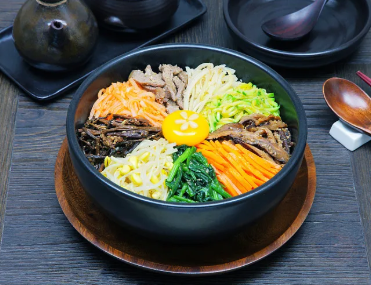
Why Is Bibimbap the Signature Dish of Korean Cuisine? Let’s Find Out!
This article has been updated and moved. Click here to…
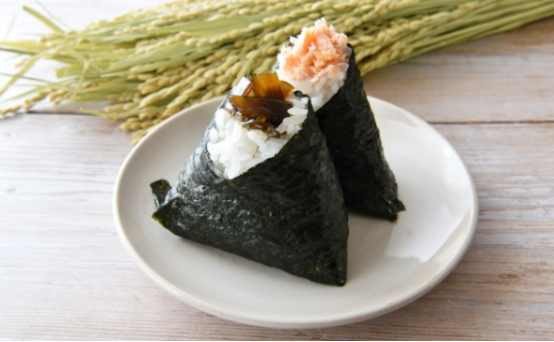
Enjoy Japanese Rice and vegetable roll stuffing, and see what’s your favorite match
This article has been updated and moved. Click here to…