https://finet52.com/the-ultimate-guide-to-japanese-egg-culture-safety-standards-culinary-techniques-and-traditional-recipes/
In Japanese cuisine, the presence of raw eggs can be seen everywhere: dipping in egg sauce with Suki yaki, mixing raw egg rice with soy sauce, and making mooncake udon noodles… This seemingly bold way of eating has left many foreign tourists both curious and worried. Is Japanese raw egg really safe? Why are Japanese people so fond of eating raw eggs? This article will unravel the mystery from two dimensions: safety assurance and food culture.
1、 Security guarantee: Japan’s triple insurance for raw eggs
The safety of Japanese raw eggs benefits from a strict regulatory system and standardized production processes, which have built three lines of defense for diners:
Legal supervision and grading system
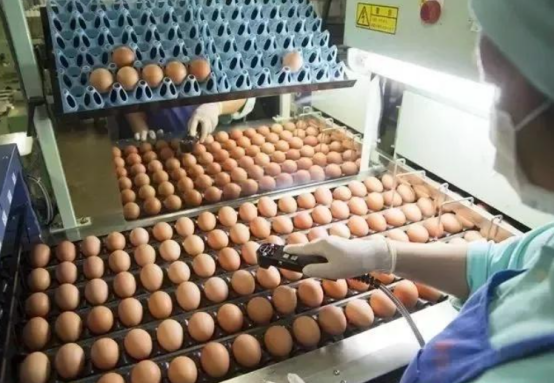
Japanese law sets strict standards for edible eggs. Eggs sold in the market must be labeled with “flavor expiration date,” “egg retrieval date,” and “farm serial number. Eggs within the tasting period can be safely consumed raw, and should be fully heated after expiration. By using the farm serial number, any issues can be traced back to the specific farm or even the mother hen, ensuring accountability is traceable.
Sterilization and quality testing
After being collected from the farm, eggs undergo multiple sterilization processes to kill parasites and bacteria. Subsequently, cracked eggs were removed through optical detection, and damaged or low-quality eggs were screened using machines, and the strength of the eggshells was tested. Only eggs that have passed all tests can enter the market, ensuring that every egg meets the raw food standards.
Standardized production and branding
Japanese farms pay attention to the quality and taste of eggs, and many farms create their own brands, even printing photos of the farmer or hen on the packaging to enhance consumer trust. Eggs are graded according to size and yolk content, and different grades of eggs are used for different dishes to ensure the best eating experience.
2、 Dietary Culture: The ‘National Complex’ of Eating Raw Eggs
In addition to safety measures, Japanese people’s love for raw eggs also stems from their unique food culture and taste experience:
Smooth texture and versatile properties
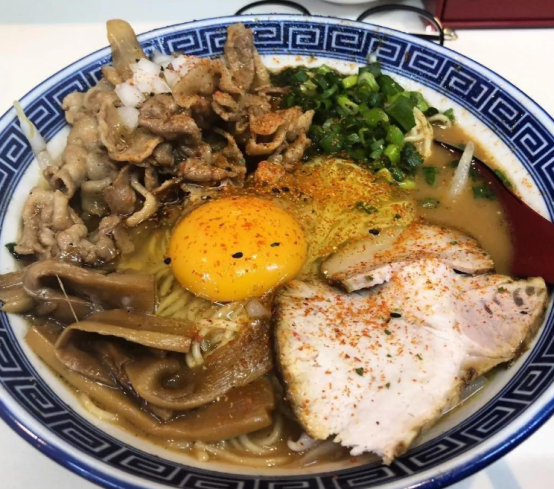
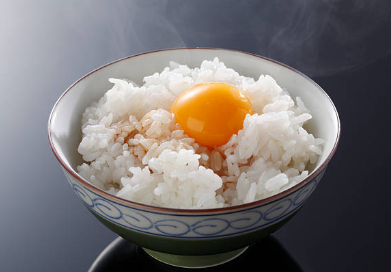
Japanese eggs have a mild fishy smell, and when eaten raw, they have a delicate and smooth texture that can be paired with a variety of foods. For example, dipping Shouxi roasted beef into egg mixture can neutralize greasiness and enhance the freshness and tenderness of the meat; Soy sauce mixed with raw egg rice highlights the freshness and sweetness of the eggs with simple seasoning, making it a national level delicacy.
The diverse applications of semi cooked eggs
Japanese people not only eat whole raw eggs, but also prefer semi cooked eggs such as hot spring eggs and single-sided fried eggs. The semi cooked egg yolk flows with golden egg liquid, adding a dual visual and gustatory enjoyment to the dish. Whether paired with grilled skewers, udon noodles, or as the finishing touch of beef rice, semi cooked eggs can enhance the layering of dishes.
Cultural traditions and convenience needs
Raw eggs have a long history in Japan and are considered a natural and pure way of eating. In addition, raw eggs are easy to eat and suitable for fast-paced modern life. For example, a bowl of soy sauce and egg rice can quickly replenish energy without complicated cooking, becoming a common choice for many Japanese people.
3、 Common way to eat: Experience the diverse charm of Japanese raw eggs
Do you want to try Japanese raw eggs? The following classic eating methods should not be missed:
Soy sauce and egg mixed rice: Crack raw eggs into hot rice and rice, drizzle with special soy sauce, sprinkle with chopped green onions or seaweed, stir, and the egg mixture wraps around the rice grains, resulting in a smooth and tender taste.
Shouxi Shao Dip Egg Liquid: Dip the cooked beef lightly in the raw egg liquid, blending the coolness of the egg liquid with the sweetness of the beef to dissolve the greasy feeling.
Yue Jian Wu Dong: Wu Dong noodles are paired with a raw egg. After stirring, the egg mixture evenly wraps around the noodles, adding a rich flavor.
· Roast string with egg yolk: Roast chicken balls or other strings with raw egg yolk, the density of egg yolk forms a wonderful contrast with the burnt aroma of the roast.
The safety and deliciousness of Japanese raw eggs stem from strict control from farm to table, as well as a deeply ingrained culinary culture. When safety and taste enjoyment are perfectly combined, raw eggs have become an indispensable part of Japanese cuisine. Next time you travel to Japan, why not bravely try and experience the unique flavor of this’ national delicacy ‘.
https://finet52.com/the-ultimate-guide-to-japanese-egg-culture-safety-standards-culinary-techniques-and-traditional-recipes/
Related Posts
Homemade Kimchi: Fermentation Hacks, Flavor Explosions & the Secret Microbial Party Inside
This article has been updated and moved. Click here to…
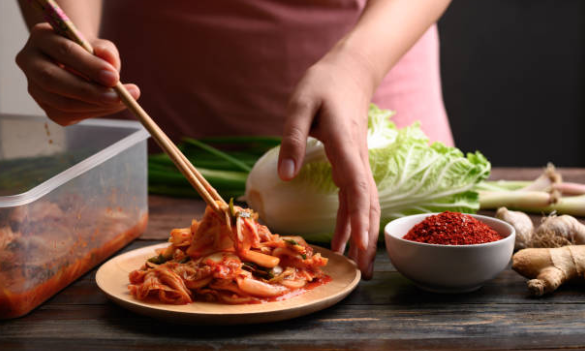
A complete list of types of Korean kimchi: not only spicy cabbage, but also these unpopular kimchi
This article has been updated and moved. Click here to…
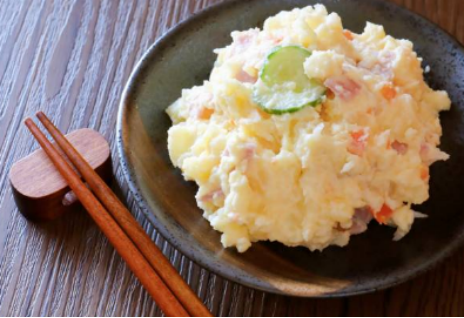
Health Benefits of Japanese Potato Salad: Why It’s the Ideal Side Dish
This article has been updated and moved. Click here to…